Iceland - 2017

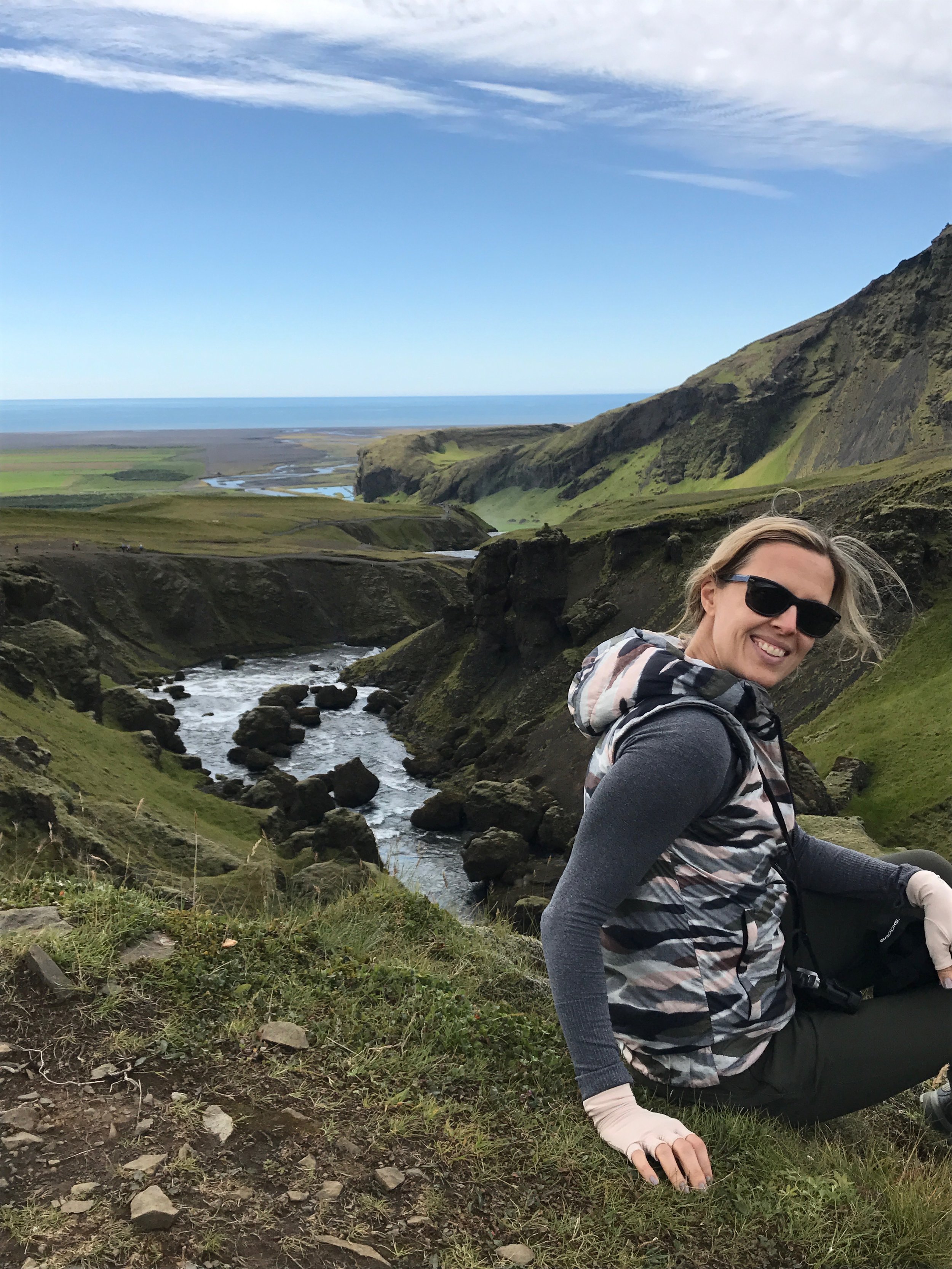
Iceland is not a country of striking contrasts, at least not during the summer when we visited it. The sky is not a vivid blue, the greens are not brilliant greens, the landscape is more monochrome in shades of greys and browns. The mountains are not very tall and the cliffs not too steep. But all that does not mean there is no beauty because there is plenty: the innumerous waterfalls are stunning, the glaciers (that cover 11% of the country) were visible for most of our travels, the otherworldly volcanic/lava landscapes always surreal, the bright red roofs of the farmhouses and charming smalls churches always begged for a picture to be taken, and finally sheep and horses everywhere for a final touch. The country did not have a wow effect right away but it became more and more captivating the more we saw of it. People are not necessarily very warm and engaging, but count on them being always polite and kind. I’m sure locals have mixed feelings about the huge increase in tourism just in the past couple of years.

My sister Gabi and I flew to Reykjavik nonstop from San Francisco on WOW Air, a budget Icelandic airline. I did not know much about it but since it offered the only nonstop flight and the price was right, we decided to give it a try. I can now say that I don’t recommend flying WOW Air for long-haul flights. Even though the flights were on time and quite smooth:

1.     Their aircraft has the most uncomfortable hard seats ever; my butt was literally numb.

2.     They charge for everything including water.

3.     After a couple of hours in-flight the bathrooms had no hand soap.

4.     We had an overnight flight but the lights are kept on the entire length of the flight.

5.     You cannot support your body against the window to try and sleep a bit, since the wall of the plane is concave shaped so to make it impossible.

6.     There is no entertainment of any sort so bring a book, an iPad with movies, etc

7.     And they apparently are infamous for losing people’s luggage so we had only carry-ons, which you have to pay for as well.

Here is a detailed description of our trip.

Itinerary

Drive the Ring Road (HWY 1) starting in Keflavik, where the airport is based, in counter-clockwise direction for 11 days.

Day 1 - Hveragerdi

We arrived mid-afternoon and did not have energy or time to do much. We drove to Hveragerdi for the night. Our intention was to go to the Hveragerdi Hot Springs for a little hike and swim but that did not happen [The Hveragerdi hot spring river trail is one of the most visited hiking trails in Iceland. The trail leads from the town of Hveragerdi to a geothermal river where you can bathe in warm water while admiring the astonishing Icelandic landscape. The official trail starts approximately 4 kilometers northwest from the center of Hveragerdi. This trail is not technically demanding and the path is well marked]

STAY Skyr Guesthouse [small guesthouse with good breakfast. While most rooms have a shared bathroom, we had a very charming room with a private bathroom]

EAT Dinner at Tryggvaskali [in Selfoss, 7km from Skyr Guesthouse – really delicious meal at a charming old house. One of the best meals in Iceland]

Day 2 - Vik

We got up early and hit the road.

STOP 1 - Seljalandsfoss (foss means waterfall). Make sure to bring a poncho or rain jacket and some waterproof shoes, as you’ll want to climb the stairs that lead up and behind the waterfall and you’ll get fairly wet while doing so. But totally worth it! After you’ve seen the main fall walk down a path, along the campground, to the lesser-known Gljúfrabúi waterfall. You’ll have to scramble over rocks to get into the cave where the waterfall is located. You’ll be rewarded with an amazing, up-close view of this magical fall.

STOP 2 - Skógafoss, another stunning waterfall. Climb the stairs adjacent to the fall for a beautiful panoramic view. Make sure to hike a bit in the area beyond the main fall for really nice vistas and more smaller falls. If you get lucky you will see a rainbow at Skogafoss. Talk about magical!

STOP 3 – Dyrhólaey, a rocky black sand coast. If you’re lucky, you’ll be able to spot puffins wandering among their nests on the windswept cliffs. Take the out & back hike along the coast to the lighthouse. It is worth the climb.

STOP 4 - Reynisdrangar/Reynisfjara, a black rock beach with immense basalt columns (a very interesting natural phenomenon).

STAY Icelandair Vik [chain hotel and nice enough anywhere you go in Iceland]

EAT Sudur Vik [good local spot with a pizza oven and a thai chef who does delicious homemade curries. Funny mix but it works]

Day 3 - Hofn

The drive from Vik to Hofn is spectacular.

STOP 1 - Fjadrárgljúfur canyon [clear paths take you along the edge of the canyon. That leads you to a waterfall – about 1 hour walk. If you’ve been to the Grand Canyon, Bryce Canyon or Zion Canyon, this small canyon will not take your breath away, but it’s worth a stop]

STOP 2 – Skaftafell National Park [hike to Svartifoss, another beautiful waterfall; you can take a guided tour of the glacier with crampons, but good idea to book ahead of time. We did not do it since we have hiked on a glacier before, but would have done it if we had more time]

STOP 3 - Jökulsárlón glacier lagoon [pull off before you get to the bridge, hike a few minutes over what looks like a sand dune, and you’ll be rewarded with a gorgeous view of a crystal clear lagoon filled with enormous ice chunks. Then drive onto the bridge and stop to your right at the Diamond Beach, where the ice chunks float from the lagoon out to sea. It’s a surreal sight – huge ice cubes on the beach!

STAY Fosshotel Vatnajökull [a modern and comfortable hotel, located in a green meadow, looking out on the Vatnajökull glacier; Fosshotel is a chain you will find throughout the island]

EAT we just had dinner at the hotel and it was quite good

Day 4 - Silfurberg Farm & Guesthouse

The drive north through the fjords of the east coast is beautiful and there’s not much to do but enjoy the scenery and stop often for photos or simply to take in the beauty of this area. After driving up through a slightly terrifying mountain pass and down into the valley, you will see a small farm on the other side and that’s Silfurberg Farm & Guesthouse. Not another building will be seen in the vicinity. This charming family-run spot offers incredible home-cooked meals (one of the best we had in Iceland) in an old sheep barn converted into a living & dining area, and really beautifully designed rooms, perfect for a deep night’s sleep.

Day 5 - Husavik

Today we started driving inland, toward the weird region known as Myvatn.

STOP 1 - Seydisfjordur a small fishing village in an incredible setting. Make sure to see the Tvisongur sculpture nearby (it’s a short hike up a hill).

STOP 2 – Dettifoss considered the most powerfull waterfall in Europe.

STOP 3 - Asbyrgi Canyon for a hike. Not worth the detour we took, but if you’re in the area stop by.

STOP 4 - Húsavík is the final stop and a charming fishing town. It has daily whale and puffin watching tours on Skjalfandi Bay. We could have done a night tour to see the whales, but felt lazy after a long day.

STAY Fosshotel Husavik [well appointed and very good location walkable to the town centre and harbor area]

EAT Naustid [simple and cozy, famous for its fish soup which was quite good]

Day 6 - Hvammstangi

In the morning we headed to the Myvatn area filled with lava fields and crater lakes. Be warned, the area smells strongly of sulfur but you get used to it after a while.

STOP 1 - Viti crater, a massive hollow filled with a bright blue-green water. You can walk around the rim of the caldera. Takes about 30 mins.

STOP 2 - Leirhnjúkur Mountain, an easy trail leads from the parking area around the active area of Leirhnjúkur. Walk through hot spring area and steaming lava to craters formed in the Krafla fires.

STOP 3 – Hverfell, a volcanic crater accessible by a fairly steep trail with great views of the area from the top. You can walk around the rim of the caldera and all together should take about 1hr.

STOP 4 - Dimmuborgir several very easy hiking routes have been marked out in this area of lava formations. Did not find this area uber special so wish we had stopped at Lake Myvatn instead and wandered the many paths around its green banks.

Afterward, drive on toward Iceland’s second largest city, Akureyri.

On the way is STOP 5 - Godafoss, an easily accessible waterfall from the parking area.  We had a late lunch in Akureyri at a spot called Bautinn, and it was ok. Another option is Bláa Kannan Café closeby and it looked more atmospheric and interesting.

Then we headed north toward the Vatnsnes area. It’s a beautiful drive, especially along the coast. Stop at Glaumbaer to see the grass-roofed houses. A bit of a tourist trap but still beautiful.

STAY Hotel Hvammstangi [nothing special, just a place to spend the night] - Hvammstangi is not a particularly beautiful town, but it was as far as we were willing to drive this day.

Day 7 - Hotel Budir

Drive to Snaefellsnes Peninsula in Western Iceland.  Another beautiful drive. We found that the drives along the coasts were way prettier than inland, where the landscape is more monotonous and very brownish/grey.

STOP 1: Kirkjufellsfoss by this point, we were actually not as excited to see another waterfall. A terrible thing to say but true. And this one was nice but not worth the detour.

STOP 2: Hellnar, a small fishing village. Not much to the village itself but the coast is stunning and the hike through lava rocks to the nearby town called Arnarstapi is a must.

STAY Hotel Budir [It’s all about the location. Budir is a small country hotel set next to a wide sandy beach and a romantic church, and absolutely no other buildings for miles and miles. While we had a very small room and the smallest shower on the planet for about $400 – you could not wash your hair without hitting your elbow on the surrounding walls or getting stuck to the plastic shower curtain – we thought the setting made our stay at this hotel worth it]

EAT Hotel Budir’s restaurant [while frequently rated one of the best restaurants in the country, we had a good meal but were not overly impressed by it]

Day 8 - Reykjavik

We woke up early and did a wonderful hike from Hotel Budir to a crater nearby. It was our favorite hike. Not another hiker in sight, beautiful landscape and sublime silence.

These are stops we planned on, but did not follow through. We were tired of driving and just wanted to get to Reykjavik and ditch the car for a couple of days.

STOP 1:  Eldborg Crater a perfectly symmetrical oblong crater about 200 metres long. It is easiest to approach Eldborg from Snorrastadir farm on its southern side, walking on a marked hiking path 2,5 km through the shrub-covered lava field.  It is possible to walk all the way around the crater as well as to the top of the crater.  

STOP 2: Hraunfossar another waterfall and the last one of this trip.

STAY Hlemmur Apartment [great 2-bedroom apartment I found in Booking.com. Good location in the centre of town, and the only downside is that the front bedroom facing the street was noisy]

EAT dinner at Grill Market [fantastic meal in a gorgeous restaurant. Definitely pricey, but worth the experience]

Days 9 & 10 - Reykjavik

Explore Reykjavik. The city is easily walkable.

SEE Harpa [the new opera building is worth walking around inside and out] Laugavegur Street [main street in the centre area with cafes, stores, bars, restaurants] The Museum of Photography [tiny, one room museum yet worth seeing depending on the current show] Grandi Harbour Area [the main hub of Reykjavík's fishing industry and now also where a lot of good restaurants are located. I heard it referred as the Fishpacking district, sharing a similar background in the food processing business as New York´s Meatpacking district, and that is a good analogy. We did not get to eat there, but apparently the incredible ice cream at Valdís is not to be missed] Tjörnin [Reykjavik's central lake. A stroll around it is a must offering great views of downtown. Also explore the surrounding neighborhood. I always like to wander around neighborhoods and see how locals live. The neighborhood adjacent to Laugavegur Street, opposite from the water and where a lot of embassies/consulates are located, was also a great area to wander around] Street Art [a great way to explore a new city is by jogging around, and that is what we did every morning. The day we jogged to and around Grandi Harbour, we got to see some great street murals. One of my favorites were from Guido Van Helten and they were based on photographs by Andres Kolbeinsson selected from the Reykjavik Museum of Photography. They represent scenes from the Jean-Paul Sartre play ‘No Exit’ performed in the city in 1961 in which the characters Estelle, Garcin and Inez are locked together in a room for eternity]

EAT Sanholt Bakery [great spot for breakfast] Braud & Co [amazing breads & sweets, but no sit-down room] Gló [good lunch spot with healthy food & dessert options] Fish & More [another good lunch spot with inexpensive and very simple, steamed fish of the day, rice + broccoli or a fish soup] Snaps Bistro [this is the place we had dinner at on our second night. While we were not that impressed by the food, it was a fun environment with lots of locals and it was great people watching]

Day 11 - Grindavik/Blue Lagoon

We decided to splurge a bit and spend our last day/night at the Silica Hotel adjacent to the Blue Lagoon. The Blue Lagoon is the n.1 tourist attraction in Iceland, and as much as we wanted to experience this unique environment of geothermal pools, we also wanted to avoid the crowds and the Silica Hotel offers its own private lagoon. We were still able to walk to the Blue Lagoon which is 10 minutes away and check it out, but spent most of our time enjoying the peace and quiet at our hotel.

STAY Silica Hotel [beautifully designed hotel in a stunning landscape of lava flows]

Namibia | Botswana | South Africa - 2017

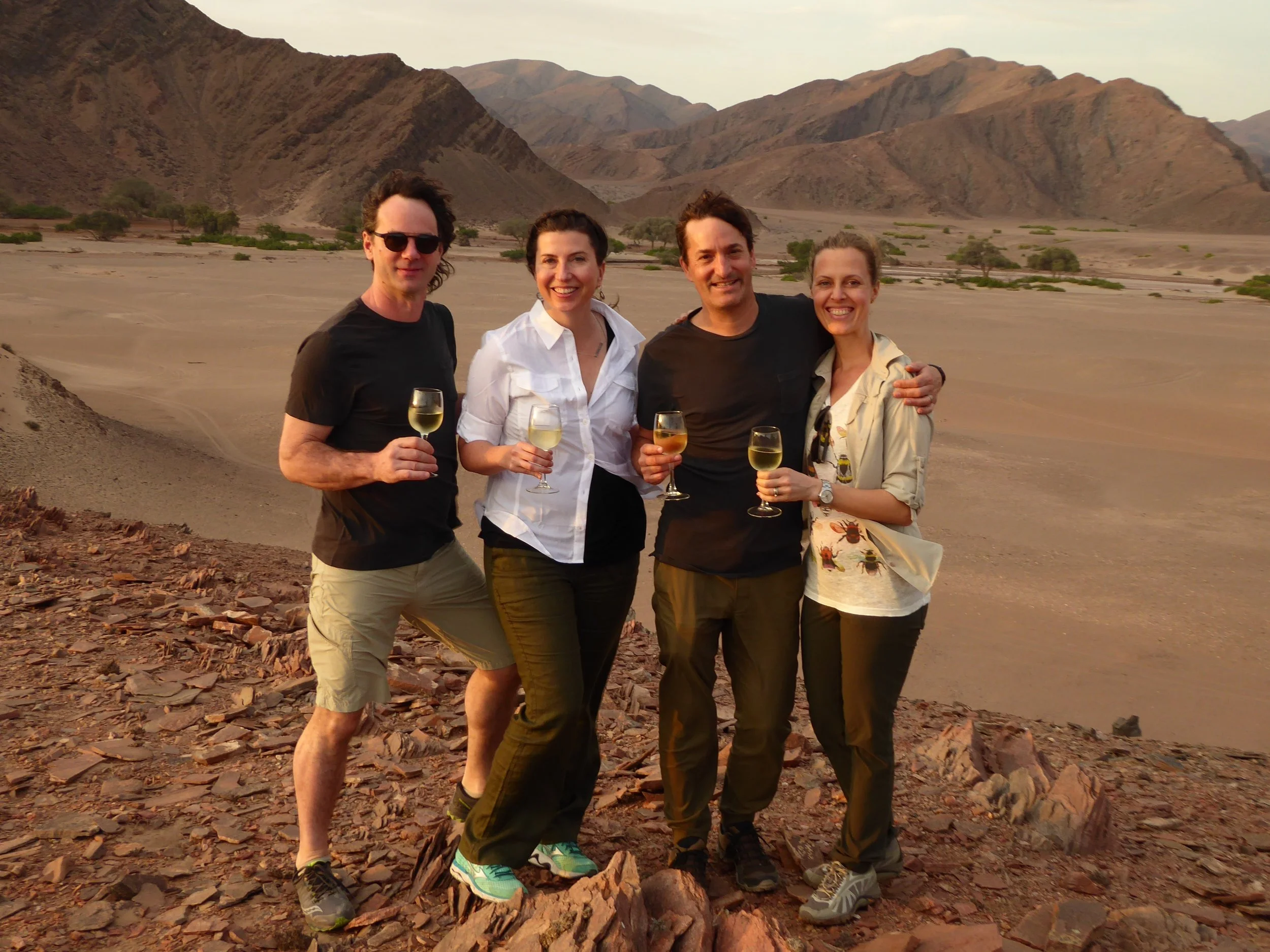
Here is a trip of a lifetime to Africa, that I got to share with my husband and dear friends Alessandra & Peter. It was exactly what I dreamt of and some more! Starla Estrada at GEOEX took care of all the details on trip planning and for the first time I went on a trip that I did not plan. It was such a treat and true vacation!

ITINERARY

{NAMIBIA} Windhoek [1] > Hoanib Skeleton Coast Camp [3] > Serra Cafema Camp [3] > {SOUTH AFRICA} Cape Town [4] > {BOTSWANA – OKAVANGO DELTA} Sandibe Camp [3] > Little Vumbura Camp [3] > {SOUTH AFRICA} Johannesburg [2]

FLIGHTS

San Francisco > London > Johannesburg > Windhoek > Doro Nawas > Hoanib > Moewe Bay > Hoanib > Doro Nawas > Hartmann Valley > Doro Nawas > Windhoek > Cape Town > Maun > Chitabe > Vumbura > Maun > Johannesburg > London > San Francisco

19 flights total - 11 of them on small bush planes. That's a lot of take-offs and landings!


NAMIBIA

A striking country with vast open landscapes and its immensity is accentuated by the fact that it is the driest country south of the Sahara. It is comprised of two great deserts: the Namib desert with its sea of red sand that runs along the entire Atlantic coastline and is the oldest desert in the world; and the Kalahari in the eastern interior with sparsely vegetated savannah that sprawls across the border into Botswana. In between lies the Central Plateau with open plains and rugged mountains.

Some interesting facts:

  • It has a very small population of only 2 million people in a country larger than France and Great Britain combined.
  • Namibia is the first country in the world to incorporate the protection of the environment into their constitution.
  • Previously under British, German and South African rule, it only gained its independence fairly recently in 1990. 

HOANIB - WILDERNESS SAFARIS

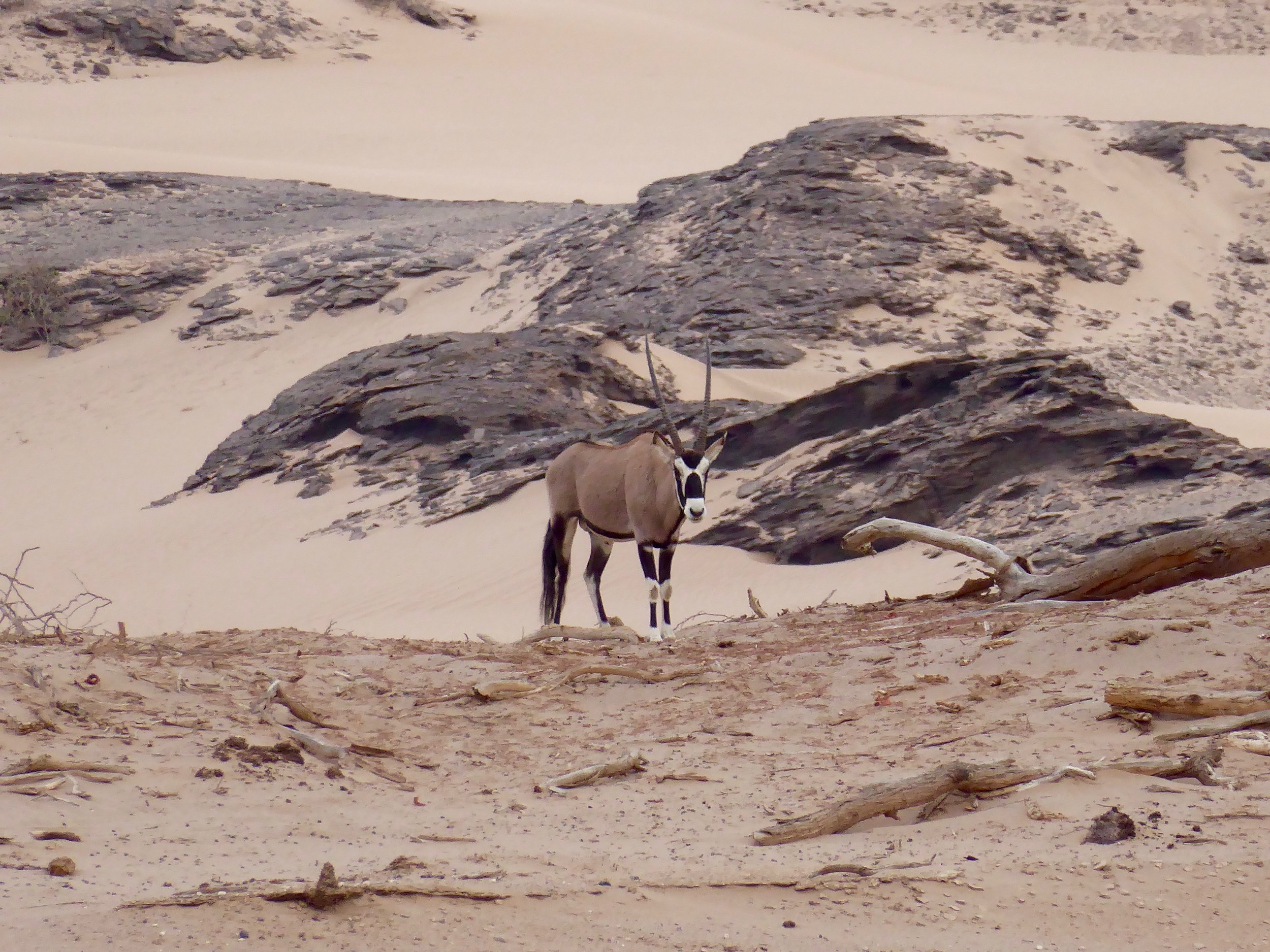
Hoanib Skeleton Coast Camp is an intimate camp with only 8 tents with canvas roofing that blend with the surrounding landscape. It is located in the Palmwag Concession where the landscape is dominated by a dry valley with the Hoanib river snaking through. Typically a pretty dry river, but not while we were there. Namibia had received more rain than they had seen in decades and the river was quite full. The riverbed that typically is an oasis for wildlife, kept animals away with its strong current, which made it harder for us to view them. But we endured, with the help of our amazing guide Charles, and got to see desert adapted elephants, lions, giraffes, oryx, BBJs (black back jackals) and springboks.

The camp allows access to the legendary Skeleton Coast with its shores interspersed with rocks, Cape fur seal colonies (30,000 seals!) and magnificent dunes. The Skeleton Coast has its name due to the fact that many ships have sunken along its shore for centuries. 

SERRA CAFEMA - WILDERNESS SAFARIS

Serra Cafema Camp is the most remote camp in Namibia, in the Hartmann’s Valley, and is perched on the banks of the Kunene River, which separates Namibia from Angola. It is a permanent source of water in this region, which is an anomaly in the desert. The camp is built under a canopy of green, surrounded by an immensity of pinkish sand. During our stay, we got to visit a Himba tribe; a minority group numbering around 12000 that still live as if on the edge of time. They have a very unique look with their skin covered by a reddish dye, intricate hairstyles and leather clothing. Their nomadic lifestyle follows grazing & water availability with their herds of cattle, goats and donkeys. 

BOTSWANA 

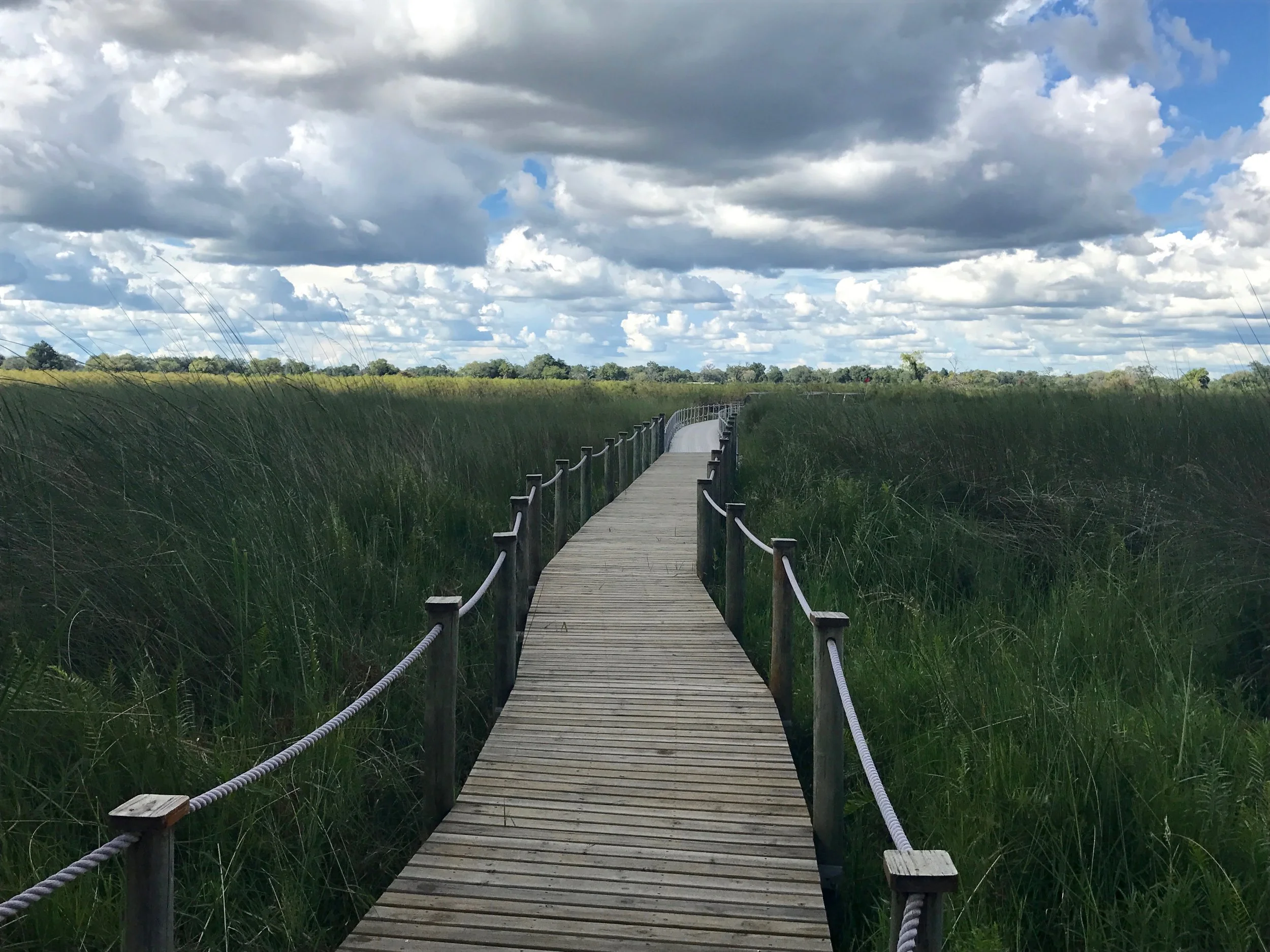
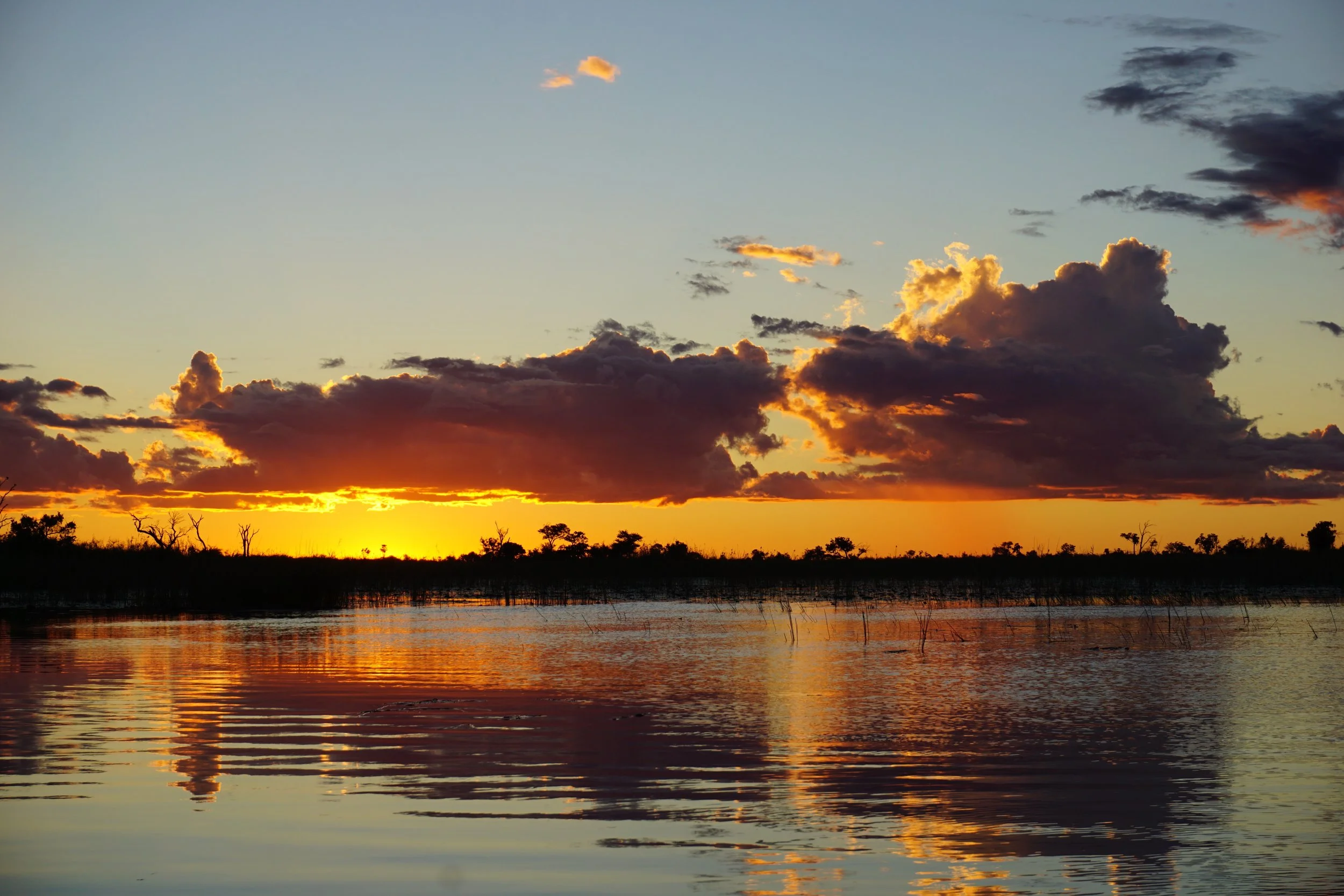
The bulk of Botswana is covered by the Kalahari Desert, which is part of the world’s largest unbroken expanse of land. But within it lies an oasis of green and water: the astounding Okavango Delta. It is a wetland that receives its water from rain falling a thousand kilometers away in Angola.

Interesting facts:

  • Around 38% of the country’s surface is dedicated to national parks, reserves and wildlife management areas, which ranks pretty hight compared to most other countries.
  • Botswana is home to the world’s biggest concentration of African elephants.
  • English is the official language of the country. Even in rural areas, many local villagers will be able to converse in English.
  • Before its independence in 1966, Botswana was a British protectorate and was one of the poorest and least developed countries in Africa. One year after gaining independence, a huge diamond mine was discovered in Orapa. At the moment, Botswana is one of the most prosperous countries in Africa producing about 17,7% of the total world production of diamonds. The diamond revenues enable every child in Botswana to receive free education up to the age of 13.
  • The current president, Ian Khama, is the son of Botswana’s first president after independence, Sir Seretse Khama and Ruth Williams, who is of British origin. He was born in 1953 in England while his parents were in exile in the UK due to their interracial marriage (tale told on the recently released “The United Kingdom” movie).

SANDIBE - & BEYOND

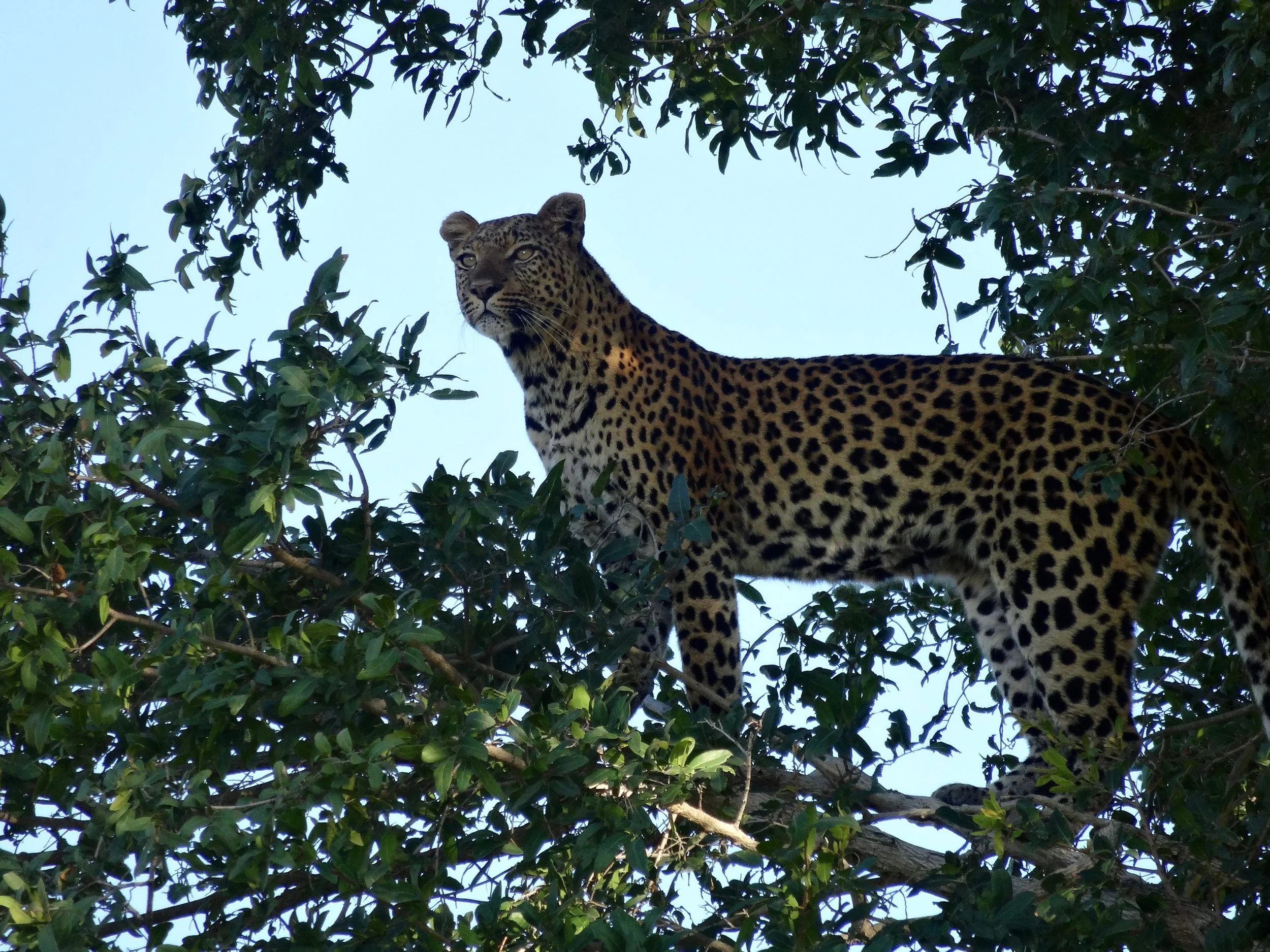
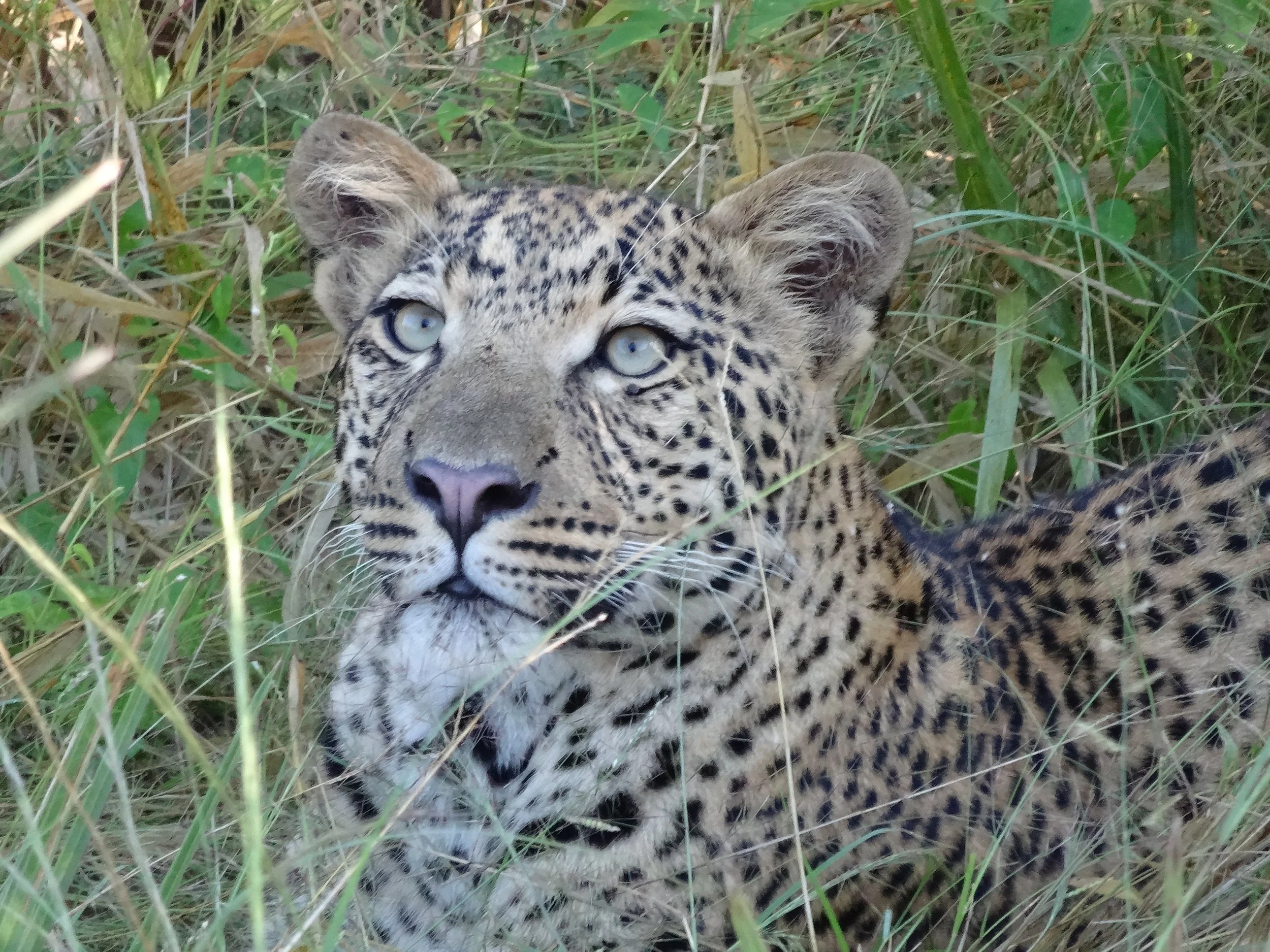
Sandibe is situated on a private concession in the Okavango, adjacent to the wildlife-rich Moremi Game Reserve. The lodge is architecturally stunning with elevated guest suites and beautiful views of the Delta. The wonderful game drives with our great guide KK and spotter Judas, took us through wide-open savannahs dotted with palm trees; and across waterways, sometimes quite deep ones, and offered us viewings of a pride of 11 lions, a leopard hunting from a tall tree branch, then another one with her cub, zebras, giraffes, kudus, red lechwes, impalas, elephants, baboons, water buffalos and the most phenomenal birds. We also got very spoiled by our butler Thato, who attended to our every need. We felt like kings & queens!

LITTLE VUMBURA - WILDERNESS SAFARIS

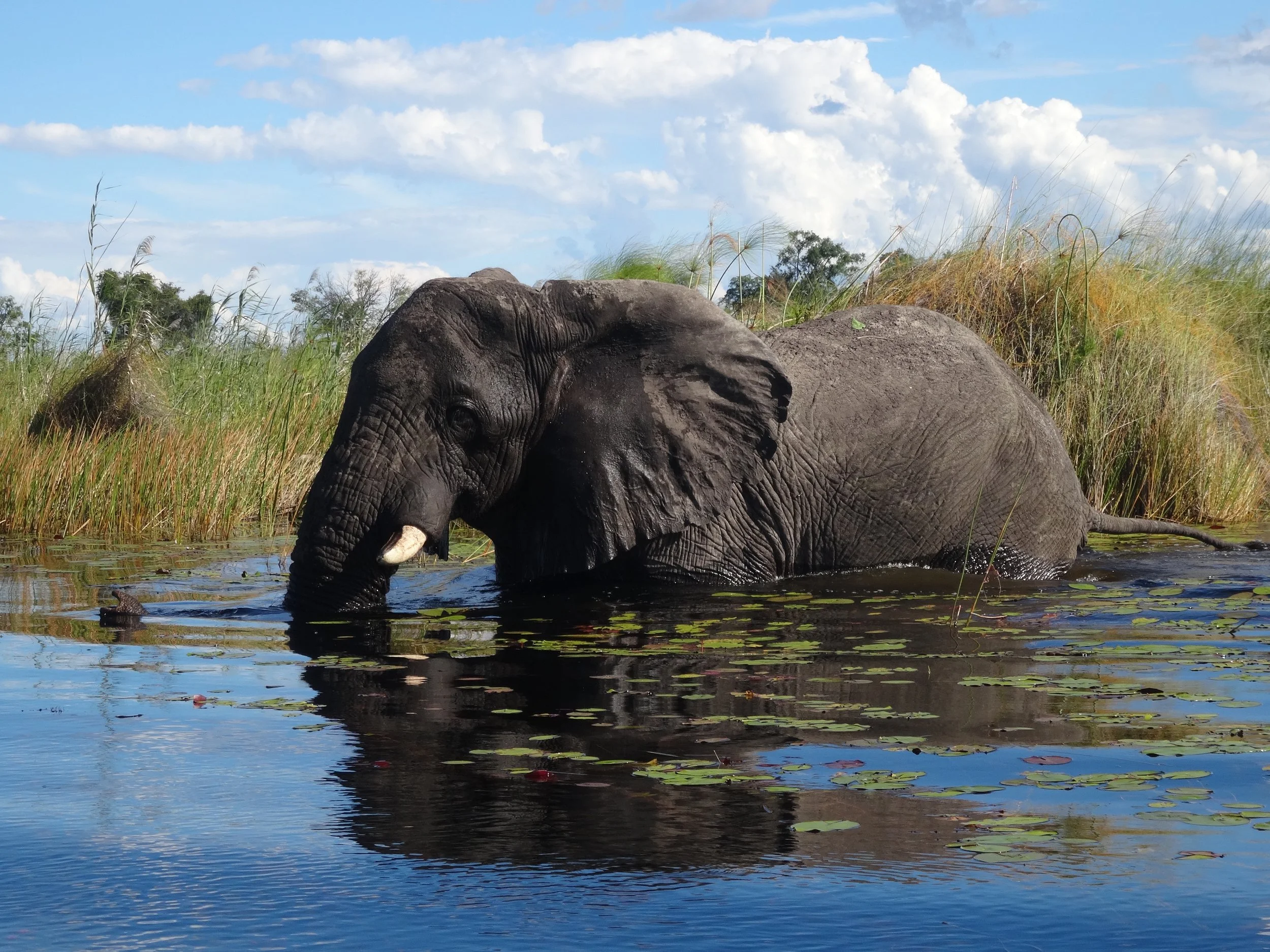
Little Vumbura is a small & very intimate tented camp (only 6 tents) built beneath a canopy of Okavango forest only accessible by boat. It is island living within the Delta, with narrow channels of water weaving through the wetlands grassy vegetation formed by elephants and hippos. It is situated in a concession in the Kwedi Reserve leased from remote rural communities organized under the Okavango Community Trust.  This ensures that local villages derive direct benefits from their natural environment and are encouraged to conserve it. Little Vumbura is rich in both wetland and savanna wildlife - we got to see red lechwes, hippos, crocodiles, sable antelopes, kudus, herds of zebras, wildebeests, buffalos and elephants, journeys of giraffes, as well lions, leopards and the lucky sighting of cheetahs. We also go to trasverse the grassy floodplains in a mekoro (traditional canoe) under the guidance of an expert poler (think gondolas in Venice!)

I luckily got to spend my 42nd birthday at this incredible place. As soon as we got on the boat, upon our arrival, to go to the camp, we saw a really big family of hippos and that was such a treat. It was a very "Hippo" Birthday to me!!!

**Do you know what animals comprise the title "Big 5"? Buffalo, Lion, Rhino, Hippo and Elephant. "Big 7" - add: Leopard & Cheetah; "Big 9" - add: Giraffe & Zebra. We got to see almost all of them, except for the Rhino :-)

SOUTH AFRICA

CAPE TOWN

Cape Town is a port city on a peninsula beneath Table Mountain, that gets its name due to its flat top. It is a lively city with beautiful beaches, gardens, great restaurants and art. We only had 3 days in Cape Town, a bit tight given all that it has to offer, so we maximized it with the help of our wonderful guide Melissa Sutherland. She picked us up in the morning at our guesthouse La Grenadine (highly recommended) and took us around all-day just returning us for a quick shower and then dinner.

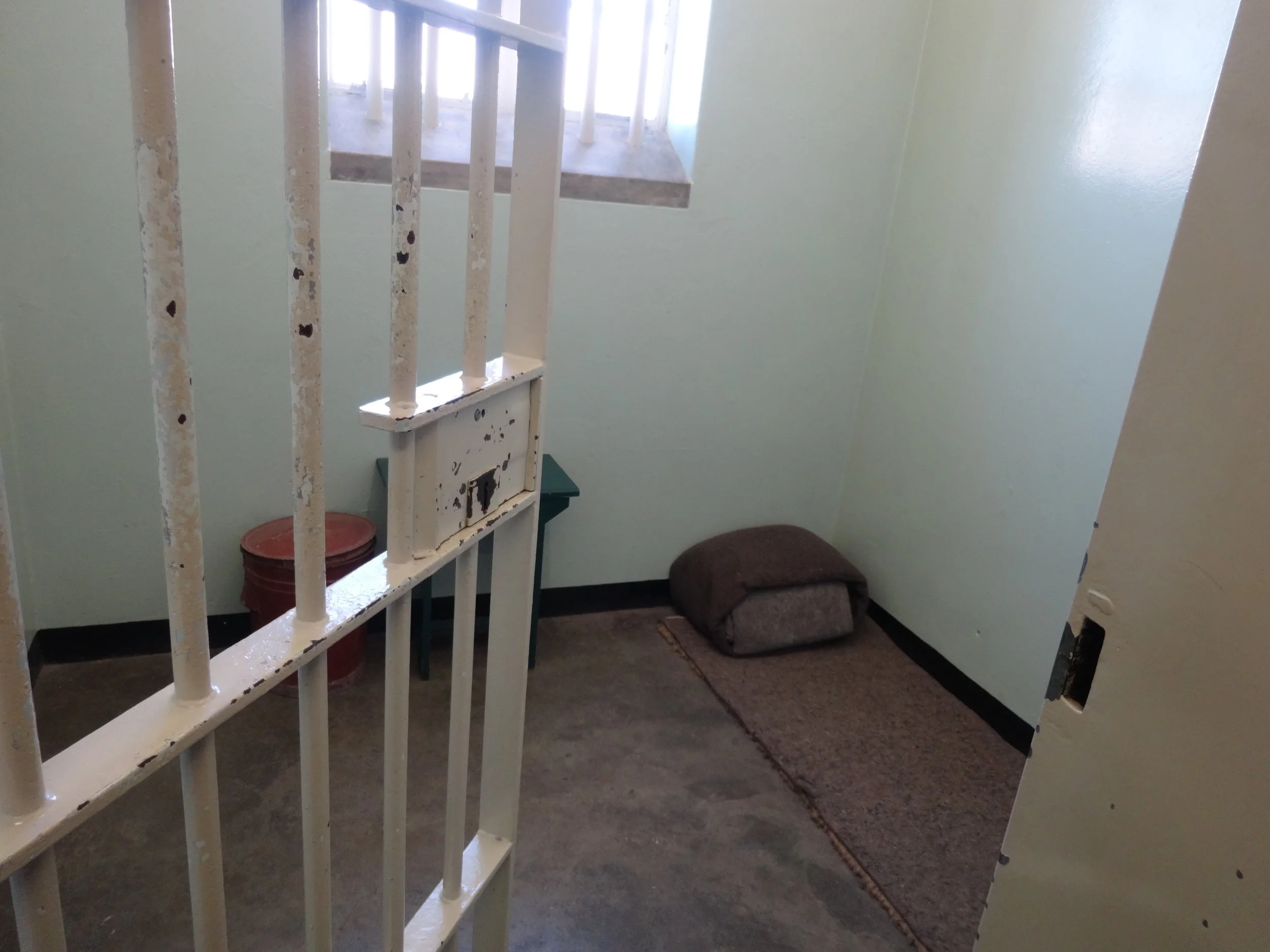
DAY 1 – AM: we took the first ferry to Robben Island, best known as the place of banishment for political prisoners, and the most famous of all being Nelson Mandela. The ferry ride offers beautiful views of Cape Town’s skyline & Table Mountain. Once on Robben Island, we visited the maximum-security prison, now a museum, guided by an ex-prisoner, and it was so personal, emotional, a truly fantastic experience. We got to go into Mandela’s cell and get a taste for what a terrible journey he and other freedom fighters had to endure. We also drove around the island and got to visit the graveyard of people who died from leprosy, the Lime Quarry where the prisoners had to do hard labor, Robert Sobukwe’s house. PM: after walking around the downtown area and having lunch at the Company’s Garden restaurant, we took the cable car to Table Mountain (we would have hiked up if we were not so constrained with time). Yes, it is a very touristy thing to do, but the endless views from the mountain are well worth it and it will give you a very good idea of the varied topography of Cape Town and its surroundings.

DRINKS: Outrage of Modesty in the downtown area (very creative drinks); DINNER: Chef’s Warehouse, just around the corner from the bar, is really where we wanted to go, but they don’t take reservations and we could not get a table. We ate at a restaurant nearby not worth mentioning.

DAY 2 – we drove along the Cape Peninsula to Cape Point, along Chapman’s Peak Drive, which is one of the country’s most spectacular marine drives. The road follows the shoreline, offering grand views of beaches, and it culminated at the Cape of Good Hope Nature Reserve and Table Mountain National Park. We took a cable car up to the old Cape Point lighthouse and that offered some extraordinary views of the area. From there we continued along the coast and stopped at Noordhoek Farm Village for some coffee. They have a great juice stand as well as a charming bakery and deli called The Foodbarn. We did not get to eat there, but the food looked amazing. Our next stop was at the Jackass Penguin Colony at Boulders Beach in the historic naval base of Simons Town. Makes me smile to this day to think about all the penguins hanging out at that gorgeous beach and walking around with their bouncy & funny walk. From there we headed to Fish Hoek and then to the quaint fishing village of Kalk Bay, where we had a wonderful seafood lunch at Harbour House.

DRINKS & DINNER: Greenhouse in Constantia was a phenomenal dinner. Extremely creative tasting menu & wine pairing. Top 5 meals we have ever had.

DAY 3: spent in the world famous Winelands with majestic scenery characterized by vineyards, hills and mountains. We did a wine safari at Waterford. I know what you must be thinking – that sounds pretty cheesy, but I guarantee you it was not. Quite the opposite. On board of a safari land rover, we drove around Waterford’s large property and through their vineyards, where we stopped for tastings of wines derived from the grapes we were just looking at. It also included food pairings for each wine. It was a great experience! From there we headed to Babylonstoren, a farm known for its stunning gardens, restaurants and small hotel. We had lunch at Babel, housed in an old cowshed, with a mix of Cape Dutch architecture and contemporary touches. We were impressed and inspired by the dishes that were presented. All the produce comes from their garden and the dishes are seasonal and color-coded. So if you select the orange salad, it comes with carrots, persimmon, papaya, smoked trout, edible flowers and melon. The green salad had wild greens, asparagus, pear, zucchini, avocado, prickly pear and herbs. On the way back to Cape Town we stopped at Stellenbosch, the country’s second-oldest town. It’s a charming town but a bit Carmel-like. Beautifully restored old buildings, but with most of the businesses catering to tourists & a lot of bad art galleries. It does have some gems hidden in the mix if you take the time to walk around.

DRINKS & DINNER: Pot Luck Club located in an old Biscuit Mill. Same owners as the famous Test Kitchen, it serves tapas-style dishes. While it has a fun & hip atmosphere, the food was not uber impressive. We also had just had an incredible dinner the night before, so it was challenging for any restaurant to meet our expectations in that particular night!

JOHANNESBURG

This was our final destination after an incredible 3-week stay in Africa. Joburg is rapidly becoming a hotspot for public art, and we focused our time on just that - street art &graffiti, as well as art galleries & open art studios with the guidance of the awesome Jo Buitendach. We spent most of our time at the Maboneng neighborhood, a gritty but becoming a fashionable neighborhood full of galleries, food trucks, sidewalk cafes, public & street art and a great artisanal crafts & food market that is open on Sundays. Highly recommend it! The shops are on the second level of the market, so don't miss it! We also went to the August House a few blocks away, which is a warehouse repurposed as an art and production space. They were having an Open Studio day and we got to see the work of a lot of wonderful local artists.

DRINKS & DINNER: Marble – relatively new contemporary restaurant with beautiful food. The bread is beyond the beyond! The wine selection was great as well. An all around great experience. 

** I want to credit Alessandra & Peter for a lot of the great pictures I'm sharing here!

Sicily - 2016


ITINERARY – 10 days

Palermo [2] > Agrigento [2] > Modica [3] > Etna Area [3] 

PALERMO

Palermo may not be the natural choice for first-time visitors to Italy or even Sicily, but if you want a truly Sicilian experience, a couple of days in Palemo is a must. We had too quick of a visit to really experience all that this City has to offer. But be mentally prepared, especially if you decide to drive, for the most mind-blowing experience of chaos, where traffic rules, signage, lanes are merely suggestions. Most of the buildings in the City are old and they definitely show their age with faded and peeling paint, but that’s part of the charm of this City for an outsider like me (highly likely that a Palermitano would disagree). The streets are used as an extension of people’s living room after 5pm - Palermitanos socialize on the streets and squares & that are very lively with people shouting at each other from their terraces.

EAT Trattoria Piccolo Napoli [traditional seafood trattoria; let owner bring what’s fresh that day; you will be pleasantly surprised] Zia Pina [lunch only; we did not have the chance to eat here but if you want Mama’s homemade food in a hole-in-the wall place, this is the place to go]

DRINK Enoteca Piconi [historic wine shop & bar]

SLEEP Hotel Principe di Villafranca [nothing special, but in a good walkable neighborhood, close to a lot of the main attractions in the City]

SHOP Rizzo [custom made shoes, belts and purses; you get to see their different models, figure out your size and then have them fabricate the shoe or belt of your choice, with the leather type and color selection of your choice, and the selection is vast. Fun way to shop!]

VISIT Teatro Massimo [30-minute guided tour to explore the stunning auditorium and the most interesting Halls of the third largest opera house in Europe]

DAY TRIP: [Monreale: 10km from Palermo, this hill town is a must visit. It’s a charming little town with its main attraction being the Cattedrale of Monreale. It’s a Norman style cathedral with the most incredible ornate mosaics you have ever seen. Don’t miss the walk up to the tower – it’s worth the 4 Euros it costs and the very narrow hallways you have to navigate. The vast view from up there of the area is beautiful] > [Segesta: on the way to Trapani/Erice you can stop to visit the ruins of a well preserved ancient greek temple. The temple itself is beautiful, but in a bit of a tacky, touristy site. There’s also a Greek theatre up the hill] > [Trapani: close to Erice & a good stop for lunch if you want to eat amazing couscous. The town itself is nothing special, but the couscous at Osteria la Bettollacia is life changing!] > [Erice: very charming historic town located on top of Mount Erice, at around 2,460 ft above sea level, with spectacular views of the coast. Very, very windy road up to Erice] 

AGRIGENTO

I only mention Agrigento to say that you can skip it. It’s known for the Valley of the Temples archeological site, but it’s not worth the trip just for that. In case you happen to be in the area, eat at Re di Girgenti. Beautifully designed restaurant with amazing tilework and views of the temple. Also, Trattoria Il Pescatore in the nearby town of San Leone has great seafood.

** I need to mention that we were supposed to eat at La Madia, considered the best restaurant in Sicily, but our reservations got mixed up and we could not go. It’s located in Licata between Agrigento and Modica, and apparently worth traveling to, even if a bit out of your way. 

MODICA

This is by far my favorite town in Sicily. It’s an amazing example of Baroque architecture set against the surrounding rocky mountains. It’s not overly touristy as nearby Noto, and very charming.

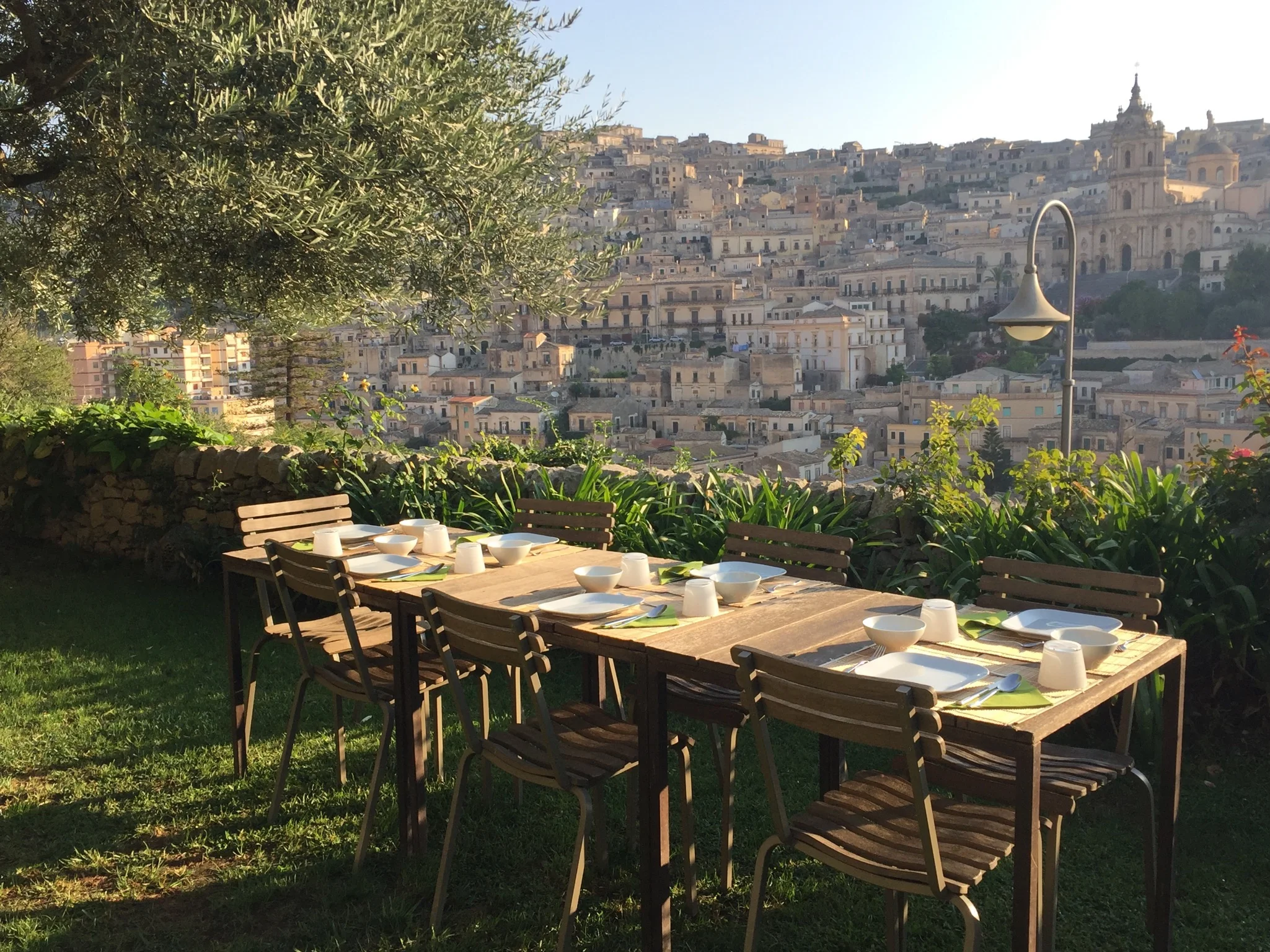
SLEEP Casa Talia is a must! It’s a cluster of restored stone buildings with incredible views of town. It’s very un-hotel-like and blends with its residential neighborhood which you will feel part of. Each room is individually decorated and we stayed at Casa Buendia, which is a small house with a kitchen & washing machine if you want to make this your base for exploring the surrounding areas. I did get to see some of the other rooms and they are all extremely charming. Hopefully Nadir, the caretaker, will be there. He will attend to your every need always with a smile on his face

EAT We unfortunately did not have a great meal in Modica. Avoid La Locanda del Colonello or Osteria dei Sapori Perduti - mediocre food. Modica is known for its chocolate & Antica Dolceria Bonajuto is the oldest chocolate factory in Sicily. The chocolate is interesting but a bit grainier than what I’m used to.

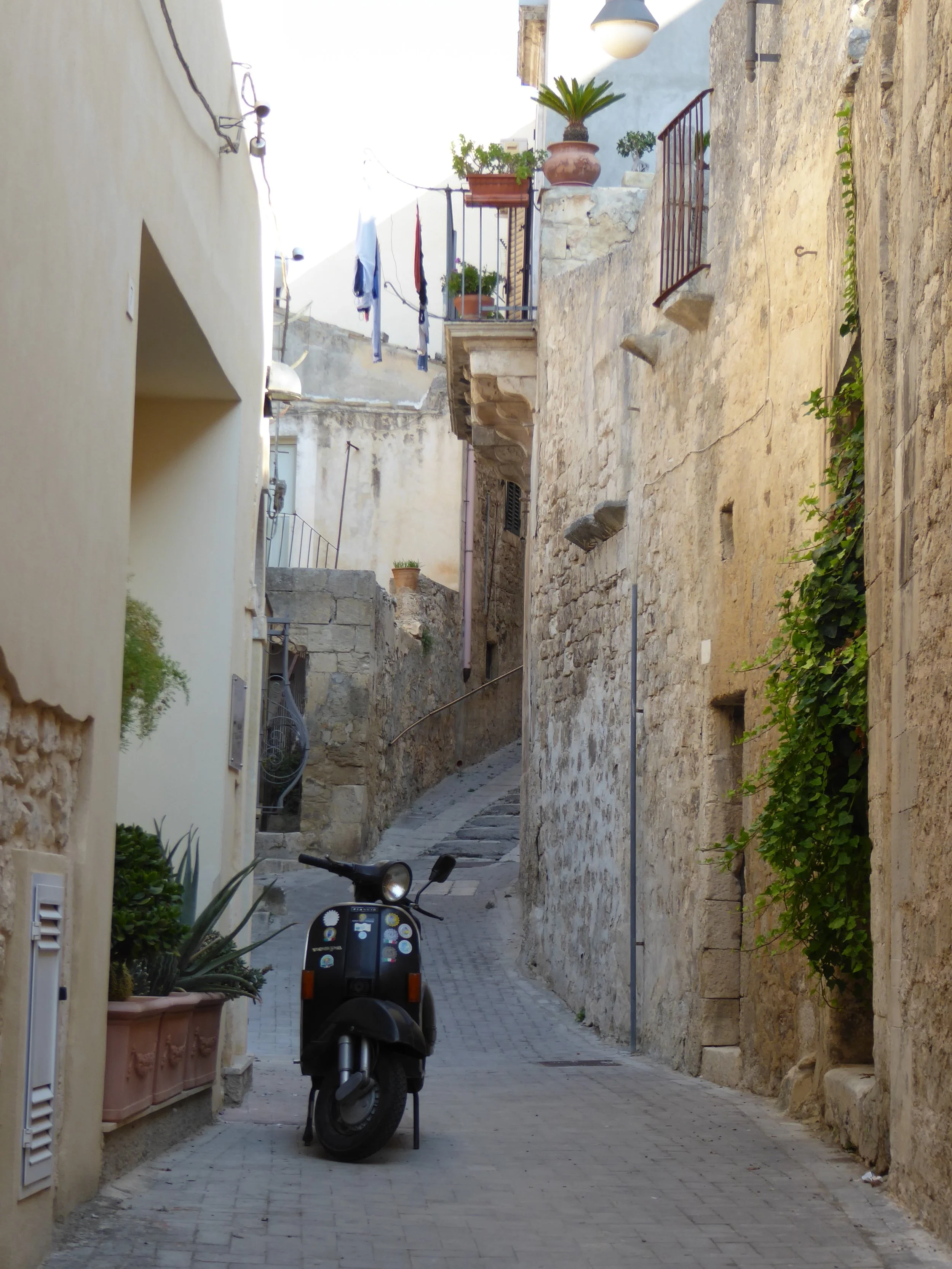
SEE Walk up and down the narrow streets and lanes, and get lost. That’s the best way to explore this fascinating city.

DAY TRIPS

Ragusa: built on a hill between two valleys, this is another charming town worth a visit. A bit more touristy than Modica, but you can still get a sense of real life in this town. We went for dinner at Duomo by Ciccio Sultano, considered one of the best restaurants in the island. It was pretty old school and even though the meal was not bad, it was not worth the price.

Scicli: we did not get the chance to explore Scicli nearby, but have many friends who highly recommend it.

Noto: We did go instead to Noto, and even though the honey-colored building fabric of this town is stunning, it gets lost along streets packed with tacky souvenirs and lots of tourists. I would skip it if you don’t have a lot of time on the island.

Siracusa: we did not sleep in Siracusa but spent the day exploring Ortigia (small island connected to Siracusa and it’s historical center) on our way to Mt Etna area. I would recommend though spending a night or two here. A popular destination for visitors, but its charm has not been lost. Just walk around as much as possible. Every street you turn is more charming than the one before. The Piazza del Duomo is beautiful with majestic palaces surrounding its somewhat elliptical shape.

EAT Here we had one of the most incredible seafood meals ever over lunch at Osteria Appolonion. Go hungry and enjoy! I’m jealous :-)

For dessert the popsicles at Gelateria Stecco Natura were amazing. Next door Gelateria Gusto had a delicious Pistachio granita. 

ETNA AREA

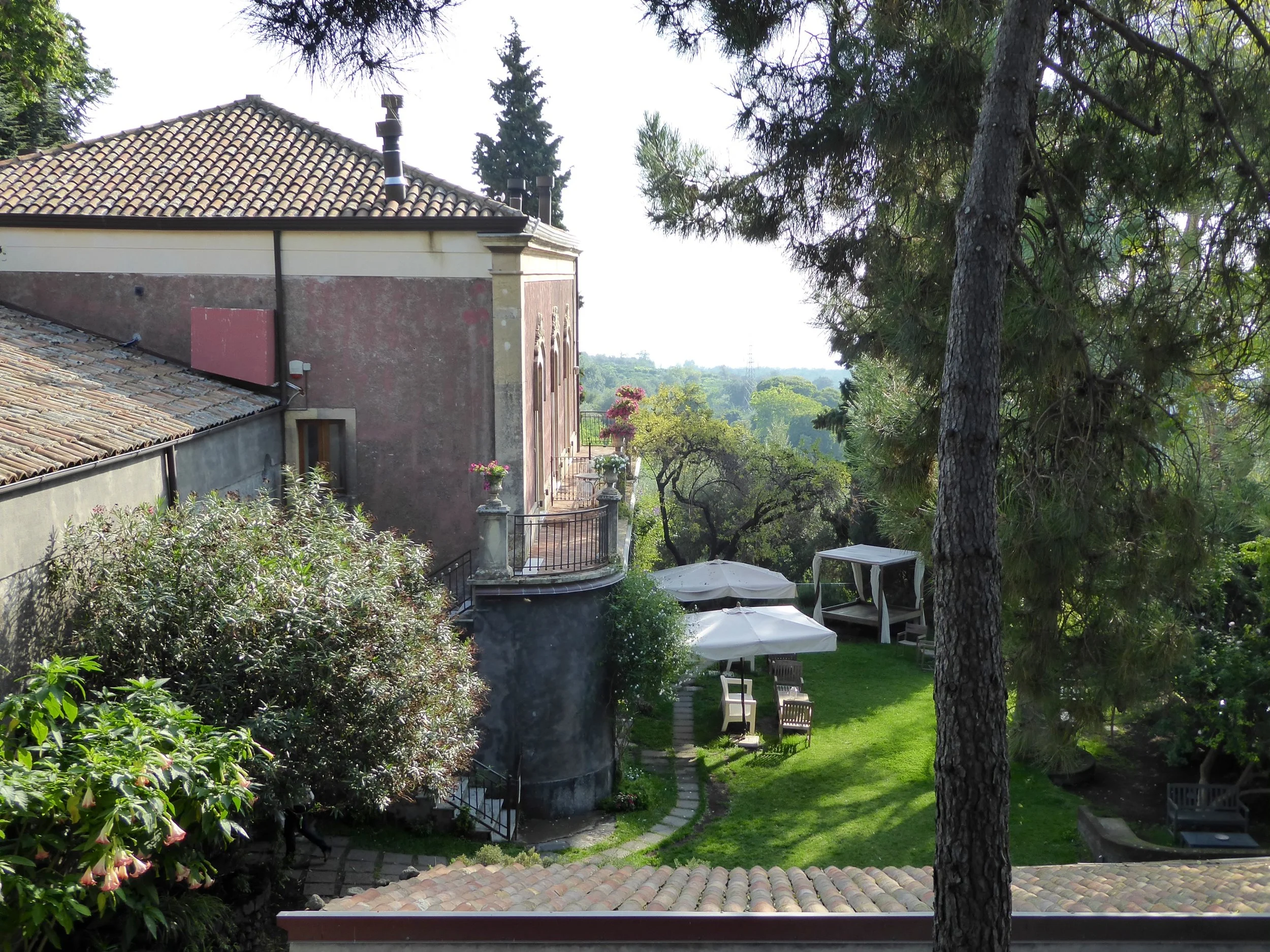
SLEEP Monaci delle Tere Nere is a super charming boutique hotel set in an organic farm. You will be at the base of Mt Etna, which is worth a visit, even though I did not go. Once I got to this hotel, I did not want to leave!

Or stay at Zash (more info below).

EAT You can eat dinner at the hotel, since there’s not much else nearby and the food is good and fresh (BTW the breakfast here was one of the best I’ve had in a hotel).

But if you can drive 25 minutes to Zash for dinner it will blow your mind. This is also a boutique hotel set in an old country manor & winery but completely modern in its décor. The food was amazing and the place incredible. I would stay here in a heart beat! It has a sister property called Ramo D’Aria nearby, also stunning.

DAY TRIP

Taormina: we drove to Taormina for the day and even though its setting is very beautiful off a cliff facing the sea, the town is overly touristy. The beaches nearby were mobbed with people. But I was told that at night time the tourist buses leave and the town is a bit more charming. If you happen to visit Taormina the main attraction is the Teatro Antico, an ancient Greco-Roman theater.

We took some steps (about a million of them truthfully) up a hill to the Madonna della Rocca, a very small church in a cave. The views are beautiful from here and it’s worth the hike.

* A big thanks to Jon & Julie for some of these great pics!

New Zealand - 2016


ITINERARY – 22 days

Christchurch [1] > Mt Cook [1] > Wanaka [2] > Queenstown [2] > Milford Sound [2] > Dunedin [1] > Abel Tasman [3] > Wellington [2] > Turangi [2] > Rotorua [2] > Auckland [2] > Waiheke Island [2]

SOUTH ISLAND

We traveled most of the South Island in a campervan but would not recommend it. Driving around with a big campervan on windy roads and on the right side of the road is not an easy feat. My husband did an amazing job though! The work of plugging and unplugging the campervan so it can be charged; emptying the grey water tank, filling it with fresh water; emptying the toilet tank; setting up the beds inside the van at night and taking them down in the morning so you have a table to eat at and a place to sit, is more work than we wanted to deal with after a long day of driving, hiking or exploring. If we were to do it again, we would just have a car and stay at lodges along the way. 

CHRISTCHURCH

Is a fascinating & somewhat sad city at the same time. Over 1,000 downtown buildings had to be demolished due to damages caused by the earthquakes in 2010 & 2011.  Some reconstruction is underway, but the number of empty sites or crumbling buildings right in the middle of town is striking. One way the population has found to enliven the area is through street art, in particular graffiti- great murals all around. We took the historic cable car to the main attractions, since we only had a day in town, and walked around the main city park, which was quite beautiful. Re: START is an interesting complex of local shops and cafes in shipping containers.

COFFEE deserves its own category since it is so good all over NZ (this was a surprise since one does not associate NZ with great coffee). But our favorite coffee was at C1 Espresso, a retro coffee shop with pneumatic tubes that deliver food. Food is pretty good as well.

ARTHUR'S PASS

We drove out of our way to Arthur’s Pass Village on the way to Mt Cook. It's a scenic drive but not worth the extra time. Maybe taking a train ride from Christchurch aboard the Tranz Alpine would have been a more fun way to do this. Unless you are truly going over the pass on your way to Franz Joseph & Fox Glaciers (we did skip that due to our time constraints and since we had seen many glaciers recently on a trip to Patagonia). While at Arthur’s Village, which is BTW not much besides a visitor’s center, gas station & small market, we did a one-hour out & back walk to the Devil's Punchbowl Falls. Good way to stretch your legs.

MT COOK NATIONAL PARK

As you get closer to the park along the beautiful Lake Pukaki (crystal turquoise water), the views of Mt Cook (highest peak in NZ) are stunning. Hike the Hooker Valley track which is pretty flat with a few rocky sections. You will cross bridges & meadows always with incredible views of either the snowy mountains or Lake Pukaki at a distance. About 3hrs out & back.
We did not spend the night here, but inside the park there are some nice chalets as well as a pretty hip motel. 

WANAKA

Small resort town by Lake Wanaka. Even though it is quite touristy, it retains its charm and is much more appealing than Queenstown.

TO DO

Drive to Makarora, 50 minutes outside of Wanaka, for the Wilkin River Jets, Jumboland Wilderness Adventure - a 20 min helicopter flight into Mt Aspiring National Park, 4-hour walk & 30 min jet boat ride back. About $300/person, but worth the cost.

Hike up Mt. Roy. It starts in private farmland and then crosses into public land. It’s a big hike with a long downhill and recommended on a clear day so you can enjoy the incredible views - 5-6hrs out & back.

Funny French Car Tours – explore the surrounding area of Wanaka with Julie (who is a lot of fun) in one of her many refurbished vintage Citroens. You can visit wineries in the area & see the landscape off-roading in small countryside roads.

From Wanaka it's a short but dramatic journey over the Cadrona Saddle to Queenstown/ We stopped at Arrowtown on the way (small and historic gold mining town), but it was a bit “Disney-like”. You can stop for lunch or dinner at Amisfield, but book a table ahead of time. An alternative drive is through Cromwell on route 8 to go through the Kawarau Gorge - spectacular drive about 1hr longer.

QUEENSTOWN

The setting of Queenstown on the shores of Lake Wakatipu and at the base of the Remarkables Mountains is quite beautiful, but the town itself is nothing special. It’s overrun with businesses catering to travellers, in particular the ones seeking some crazy adventure.

TO DO 

The Queenstown Hill Walkway is easily accessible from Queenstown city centre. It is a very demanding walk but relatively short that offers great views of QT, Lake Wakatipu and the Remarkables. Make sure to dress warmly, since it can get pretty nippy on the top.

Drive to Glenorchy, 45 minutes from Queenstown, for a very scenic drive and to get to one of the starting points of the Routeburn Trek. We decided to do only the first third of it as a day trek. We walked out & back to Routeburn Flats, about 16km/10 miles for 6-7 hours. The trail is excellent all the way with a gradual climb on the way in and downhill on the way back. For an extra challenge you can climb to Routeburn Falls for stunning views and it will add another 3km/2 miles to your hike. We did not do this since it was raining so hard! Come prepared for rain & cold weather. The weather is unpredictable and changes very fast.

SLEEP We needed a break from the campervan today, so we decided last-minute to rent an apartment at The Rees Hotel & Luxury Apartments. It was wonderful: we got to wash and dry all our dirty, wet clothes after a day at the Routeburn Trek; take a nice warm shower and have dinner overlooking Lake Wakatipu. 

MILFORD SOUND

The 4-hr drive to Milford Sound is stunning.

TO DO
Kayaking around the sound, weather permitting. We did the Milford Magic tour (2.5hrs kayaking; 2hrs boat tour) with Sea Kayak Fiordland and it was worth it. About $150/person.

Milford Trek is a multi-day trek, but has parts that can be done as a day-trek. Due to a lot of rain and the trek being so wet, we skipped the hike. 

If you want just a quick taster, the Key Summit track follows the Routeburn Track for about an hour before peeling off for a 30-minute climb to the summit. This is recommended on a clear day because you’ll feel like you’re on top of the world. It’s a good opportunity to cheat, and soak up some stunning alpine scenery in a fraction of the time you need to allocate for the Fiordland’s multi-day treks. Begin at The Divide car park on the Milford Road.

SLEEP Milford Sound Lodge is pretty much your only option unless to stay in Te Anau. 
We cheated here again, and stayed at one of their beautiful newly built cabins. They have a restaurant on site or a communal kitchen if you rather make your own food. They also have laundry facilities. 

DUNEDIN

Pretty disappointing industrial town that can be skipped.
The Otago Peninsula outside of town is a nice area to explore. We hiked to Victoria beach, to Lover's Leap and Sandfly Bay, searching for yellow-eyed penguins. Even though we never saw any, the ocean vistas were impressive. 

EAT Plato Super funky & relaxed eatery with great seafood.

** We missed Kaikoura, north of Christchurch, which is a wildlife heaven and beautiful little town. You can go whale watching or swimming with dolphins in this area. 
This is where I would have stayed: Hapuku Lodge & Tree Houses.

ABEL TASMAN

We flew from Dunedin to Nelson and with a rental car drove first to Motueka. Since we knew we would be missing the last sea shuttle to our next destination, we spent the night in Motueka at a great house (more info below). The next day, we took the Sea Shuttle from Kaiteriteri to Awaroa on our way to Pepper’s Lodge (more info below). It’s a beautiful boat ride along the many beaches of the Abel Tasman coast.

SLEEP

Pepper’s Awaroa Lodge is at Awaroa beach and can only be reached with the sea shuttle or if you hike in. A few nights here is highly recommended!

An Island Getaway – 2-bedroom house at the beach (booked thru Booking.com). Great spot; since it’s in a small island, the owner will take you across on a small boat. Their dog Buck will be your companion during the length of your stay!

EAT Toad Hall in Motueka [healthy food and juices, big garden out back, small market]; Celcius Coffee [great organic coffee & small bites]

TO DO

Abel Tasman Trek runs along the Abel Tasman Coast. We did part of the trek from Pepper’s Lodge and it was absolutely stunning with stops along beaches for a swim or picnic. Don’t miss this! Even if you are not staying at Pepper’s Lodge, you can take the sea shuttle to one of the beaches, hike as long as you want and get picked up by the sea shuttle at the end of your hike. You just have to make sure to coordinate your schedule/location with the shuttle’s schedule/stops.

If you are staying at the lodge, you can also go on kayak tours along the coast.

The drive through the Takaka Valley on the way to Wharariki beach/Cape Farewell is gorgeous. We skipped it in order to relax at the beach from moving around every day. Wharariki beach is an amazing deserted beach only 1-hr drive from Takaka, followed by a 30-minute farm walk; and you can walk from there to Cape Farewell. Wharariki is big in every way: big waves, big cliffs, big sand dunes, big caves, and even bigger winds! 

NORTH ISLAND

WELLINGTON

One thing you will notice right away about Wellington is that it is one of the windiest places you probably have ever been to. And this comes from someone who lives in San Francisco. It’s an interesting town; somewhat disjointed but with cool spots of hip, young cafes, and good restaurants. However, I would not spend more than 2 days here.

EAT House of Dumplings [we stumbled upon this tiny place and the dumplings were absolutely incredible. Best to date!]; Jano Bistro [trying a little too hard but still good food]; White-bait [awesome seafood]; The Flight Coffee Hangar [great coffee & food]

SLEEP Ohtel is a very small boutique hotel at a very convenient location at Oriental Bay. 

TO DO

Te Papa Museum is the national museum of NZ, and will cover its history. There are  also a lot of interesting temporary exhibits.  

Right behind Ohtel is Mt Victoria. It’s a steep hike up to Mt Victoria’s Lookout, but it will offer great views of Wellington. 

TURANGI

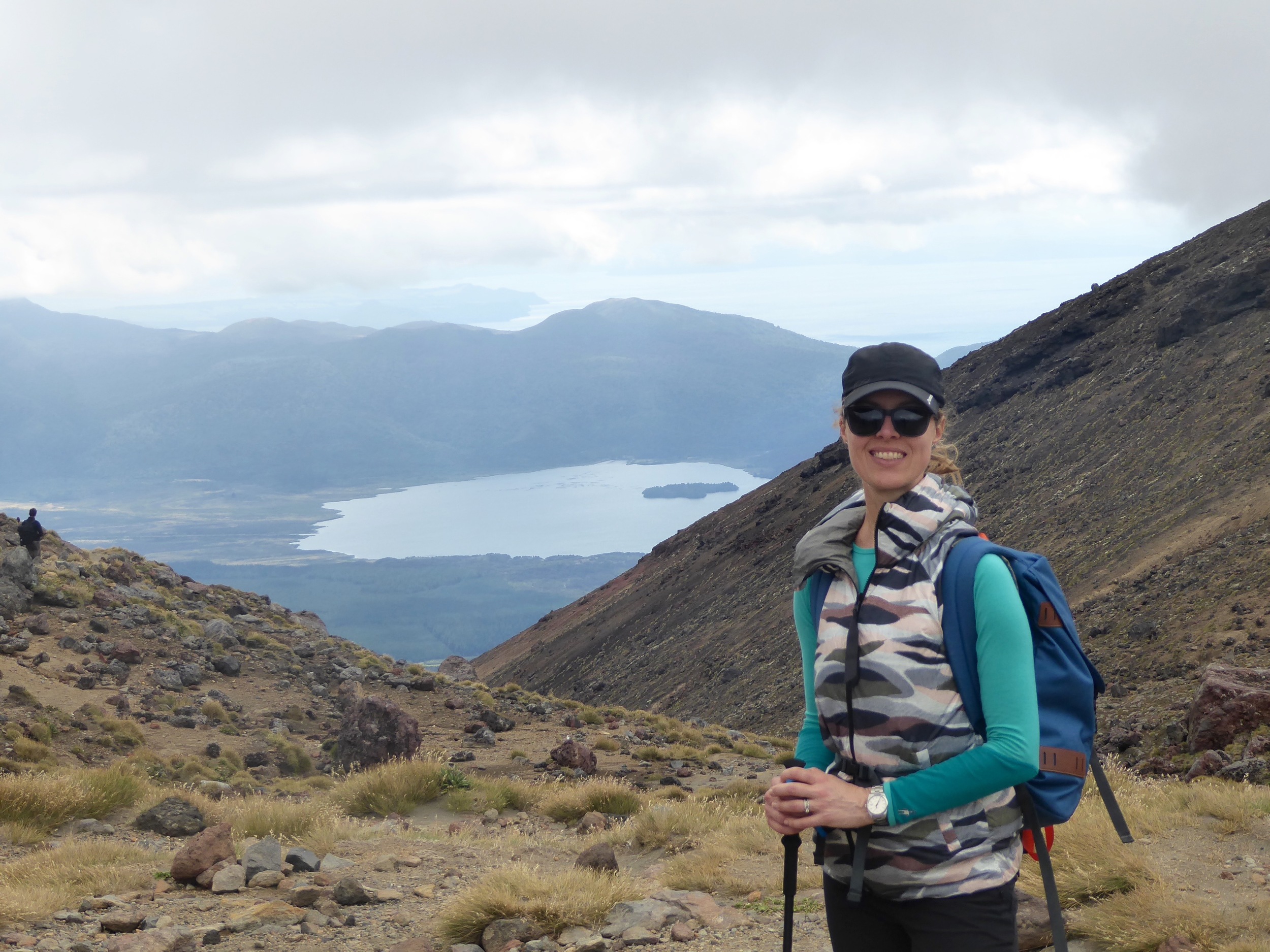
We were told that unless you are into fly-fishing for trout or will hike the Tongariro Alpine Crossing, there is no reason to go to Turangi. Even though our reason for coming here was to hike the Tongariro Alpine Crossing, we were pleasantly surprised how beautiful of an area it is, and were really glad we went.

The Tongariro Alpine Crossing was, on the other hand, a bit of a disappointment. Not because it’s not a very pretty hike, but because it is mobbed with people and kids. A bit of a shit show! It is a full-day hike (about 19kms) that is pretty challenging with every possible season in one day, so go prepared for the elements. You will have to arrange for transport to drop you at the beginning of the track and pick you up at the end of the day. The track starts at the Mangatepopo Valley and finishes at Ketatahi Road. Following the track in this direction means the least amount of climbing involved.

SLEEP River Birches Lodge was so absolutely charming with only 3 rooms and a separate cottage. Althea is the caretaker with her husband and she prepares delicious breakfasts, she can also cook dinner if you like or will recommend and book dinners nearby. She prepared an incredible lunch for us to bring in our trek.

Also don’t miss the walk along the river just behind the lodge. 

ROTORUA

We wanted to see the Rotorua area and all its fascinating landscape of hot springs, but skip the tacky touristy sites, so we decided to spoil ourselves and stay at the Solitaire Lodge. It’s an all-inclusive lodge perched atop of Lake Tarawera.

TO DO

You can borrow kayaks and explore the lake around the lodge.

Or hike to the Tarawera Falls. The lodge will transfer you via boat to a spot where you begin this 3-hr out & back hike. We never got to see another soul aside from the end point where the falls are, so it was an antidote to the mobbed Tongariro Alpine Pass hike. 

Enjoy some spectacular swimming holes along the way with crystal clear water. The boat will be back to pick you up at the end of the hike.

Tarawera Thermal Springs – at the early morning the lodge will transport you via boat to this natural thermal spring for a soak before you head back for breakfast.

Again, nobody around and the light at that time of day is incredibly beautiful.

AUCKLAND

Is a fine town, but we have concluded at this point that one does not go to NZ for it’s cities, but for it’s nature!

EAT Depot [tapas; delicious!]; Masu [great Japanese food]; Odettes [healthy breakfast & dinner]

SLEEP Hotel DeBrett is also a relatively small boutique hotel in the downtown area. Good but not great!

WAIHEKE ISLAND

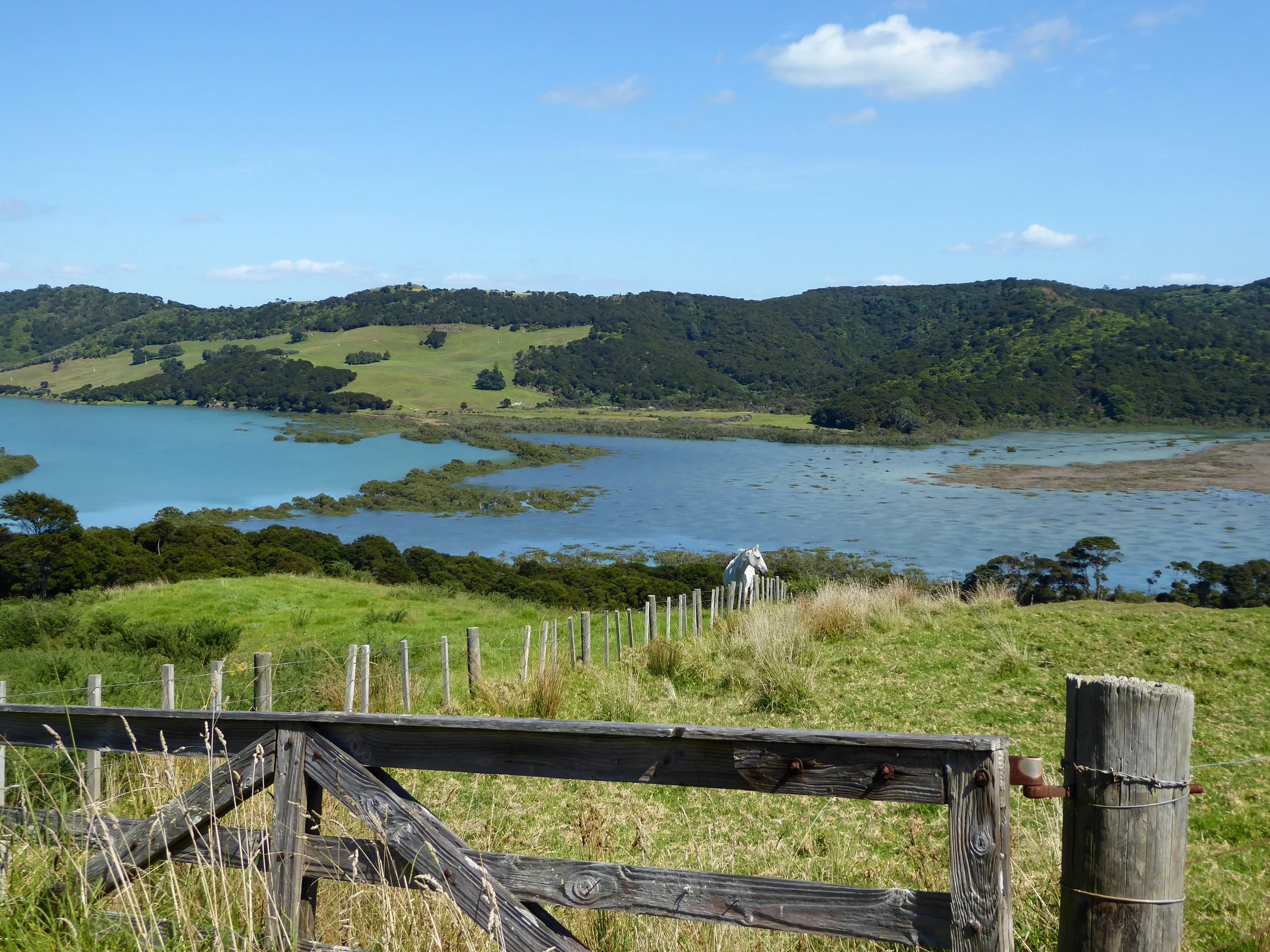
One-hour ferry ride from Auckland, worth a few nights stay. Incredibly magical island with great beaches, vineyards, farms and gorgeous landscape of native bushes. You will need a car to drive around the island. Some folks do it on scooters, but I would not recommend it along some of the dirt roads.

SLEEP The Oyster Inn offers 3 rooms at the back of their restaurant off the main road in Oneroa Bay. Oneroa Bay has a nice beach.

EAT Casita Miro [Spanish restaurant; funky; we were there on an off night, so did not have the best experience. Would still recommend it.]

TO DO

Man O’War Winery is at the opposite end of the island. The drive there is spectacular, and the setting of their tasting room right in front of the beach is brilliant. All you need is to find a bean bag along the lawn, get a glass of wine and a charcuterie platter. You will not want to leave!

Cable Bay has incredible view of the ocean with Auckland’s skyline at the back. Again all you need is a bean bag on their lawn and a glad of rose. They have very good rose here.

Mudbrick Restaurant & Vineyard did not try this place but heard great things about it.


Denmark - Sweden - Aland Islands - 2015


COPENHAGEN

EAT Noma [one of the best restaurants in the world; Nordic cuisine] 108 [casual sibling to Noma] Amass [Noma’s alumni chef, great space] Manfreds & Vin [wine bar with a 7-course menu] Relae [1st Michelin-starred restaurant in the world to obtain an organic certification] Radio [another Noma alumni checf] Baest [pizzas] Torvehallerne Food Market [great spot for lunch]

SLEEP Bertrams Guldsmeden [they have bicycles for rental; super convenient] SP34 Hotel [this is where I would stay next time I'm in Copenhagen]

TO DO [Bike everywhere. This is, hands-down, the best cycling City in the world that I have ever been to] [Alternative Christiania is a green and car-free neighborhood, best known for its autonomous inhabitants’ different way of life – pretty hippie. Freetown Christiania, as it is knows, is a mix of homemade houses, workshops, art galleries, music venues, cheap and organic eateries, and beautiful nature] [Jægersborggade hip street in the residential Nørrebro neighborhood is home to art galleries, organic produce shops, vintage clothes, ceramics and jewellery designers, as well as wine bars, coffee shops and restaurants (Relae & Manfreds)] [Meatpacking District in Vesterbro is a hipster area full of bars and restaurants. Make sure to explore the whole neighborhood. Sønder Boulevard is a greenbelt that crosses the middle of this neighborhood and hosts various outdoors activities]

SHOP Hay [furniture, home & office accessories]

FAVIKEN, SWEDEN

My friend Alessandra and I had a fun adventure getting to/from Faviken, just to enjoy a very special dinner:

flight from Copenhagen to Trondheim (Norway) > 2-hr taxi ride to Faviken > sauna to relax > 4-hr dinner > sleep at Faviken (5 rooms available) > more amazing food at breakfast > 1-hr taxi ride to Are > flight to Stockholm

It was worth every minute! Best dinner experience I have ever had in my life.

STOCKHOLM

SLEEP Hotel Rival [loved this hotel! Rooms were very nice, great neighborhood, non-touristy location] Miss Clara by Nobis [another great option]

EAT Oaxen; Oaxen Slip [more laid back] Flying Elk [great wine bar next door] B.A.R; Lilla Ego; Lux Dag for Dag

COFFEE Drop [near Hotel Rival] 

TO DO Fotografiska [great photography museum; don’t miss the cafe on the top floor for great views of the city] Mosebacke [unpretentious biergarten, full of locals and with nice views of the city] Djurgården [an island that can be reached by bike, ferry or bus. It can be a bit touristy where the amusement park is, but it's worth going to Rosendals Tradgard for lunch] Explore Gamla Stan, the old town.

SHOP Manos [ceramics, clothes and knick knacks in SOFO neighborhood] Nygardsanna [Swedish designer of linen clothing]

ALAND ISLANDS - FINLAND

Alessandra and I went on another adventure and decided to take Lotta’s Jansdotter Workshop Retreat on pattern design at the Aland Islands between Sweden & Finland.

From Stockholm 6.5-hour ferry ride through the archipelago to Mariehamn > 1-hr bus ride to take a small private boat to Silverskär, a very small private island.

This was a special place – setting, beauty, silence, the fresh food (fish caught in the morning, smoked and served for lunch; fresh veggies from the island; homemade bread; homemade everything! – thanks to Viktor). We got to do yoga on the small harbor's deck under the morning sun and enjoy the sauna in the evenings.