Portugal Part 3 - Alentejo 'Coast' - 2018

Comporta

Unspoiled enclave of protected pine forest, white sand beaches, rice fields & fairy tale whitewashed fishermen’s cottages. Unpretentious but quite the spot – known as the Hamptons of Portugal! Still super chill & not very touristy.

This time of year, May, all over the coast, the storks are breeding and you can see them on their big nests on top of telephone polls, chimneys, rocks and even electrical towers. If you are lucky, you will also get to see their chicks in the nests. I could not get enough of them!

At the small town of Comporta, eat at Gomes Casa de Vinhos & Petiscos [very charming wine bar & restaurant] São João [simple restaurant, loved by locals & great for lunch. Order the seafood cataplana – seafood stew cooked inside a copper pot] Colmo Bar [go any time in the day; serves coffee, fresh juices, healthy lunches and cocktails at sunset] Cavalariça [restaurant inside an old horse stable; we did not get to eat there, but the ambiance looked great]

BEACHES Comporta Beach [like all beaches in the area, it has uninterrupted white sand sandwiched between dunes and a beautifully blue ocean. If it’s not windy, which can be crazy at times, you cannot ask for a more perfect beach] Pego Beach [same as Comporta – eat at Sal – very charming restaurant right on the beach, serving fresh & delicious seafood] Carvalhal Beach [also similar to Comporta & Pego beaches. Dinis is a restaurant right on the beach, and while we did not eat there, I cannot imagine it wouldn’t be good with the abundance of fresh seafood in the area]

TO DO Cavalos na Areia [horse-back riding through the rice fields, over the dunes covered with pine trees and finally on the completely deserted white sand beach. Beautiful 1 ½ hour experience] Sado Estuary Nature Reserve [home to dolphins, flamingos & nesting storks. Hire a canoe and explore the estuary]

STAY Sublime [beautifully designed hotel in the midst of pine trees. It has a very good spa & very nice restaurant. It is however a bit pricey]

Costa Vicentina

It’s a natural park that’s runs along the whole west coast of the Alentejo & Algarve regions. Due to this park, this is a more wild, less developed coast than the Algarve in the south. The golden sand beaches are beautiful and almost deserted. There is a trail that runs along the coast – ROTA VICENTINA– that used be an ancient smugglers’ route and fisherman’s pathways. It offers superb views of the coast. Some people hike the whole length of this trail and sleeps in the small towns along the way. 

PORTO COVO [another traditional & charming whitewashed village, still not overwhelmed by tourism. The nearby Samoqueira beach with its turquoise water is not to be missed]

 VILA NOVA DE MILFONTES [one of the loveliest towns along this stretch of the coast, Vila Nova de Milfontes has an attractive, whitewashed center, a beautiful beach alongside the sand edged limb of estuary of the Mira River]

EAT/DRINK Choupana [very simple restaurant in an old fishermen’s wooden shack, directly on thebeach. The fresh grilled fish is always delicious, but get used to it, it will inevitably come accompanied with boiled potatoes and a salad of lettuce and tomatoes. That’s pretty much the case everywhere] O7 Ocean Drive Beach Club [on the south side of the river, at Furnas beach, is this quirky bar, a great spot for a drink] 

CABO SARDÃO [a lighthouse that is nothing special, but we did the walk along the Rota Vicentina from here to Zambujeira do Mar and it was quite beautiful. About 2hrs walk (not a loop, out and back – we parked the car in Zambujeira and got a ride to Cabo Sardão). You can eat at a Barca Traquitanas in Zambujeira, at the end of the hike] 

PRAIA DA AMÁLIA [from the Herdade Amalia Guesthouse near Azenhas do Mar village, follow a path through thicket and down rough-hewn steps to Praia da Amália. Jagged black cliffs bookend this picture-perfect beach, named after Amália Rodrigues, an orange-seller turned into an iconic fado singer, who learned to swim there]

ODECEIXE [a lovely old village tucked into a river valley with an old windmill at the top of the hill. But the biggest attraction is its wide awe-inspiring beach with the river Seixe running along one of its side and the sea on the other. This river is also the divider between the Alentejo region to the north and the Algarve to the south]

STAY Casa da Diná [lovely B&B near Odemira, run by a Portuguese lady – Diná – and her Uruguayan husband – Walter.  They are incredibly warm hosts; Diná is a great cook so the breakfasts are a treat and I highly recommend you ask her to cook dinner one night. We ended up hanging out with them quite a bit and they were a lot of fun! It felt like we were staying at a friend’s house and not at a hotel. We were sad to have to leave]


Portugal Part 2 - Alentejo 'Inland' - 2018

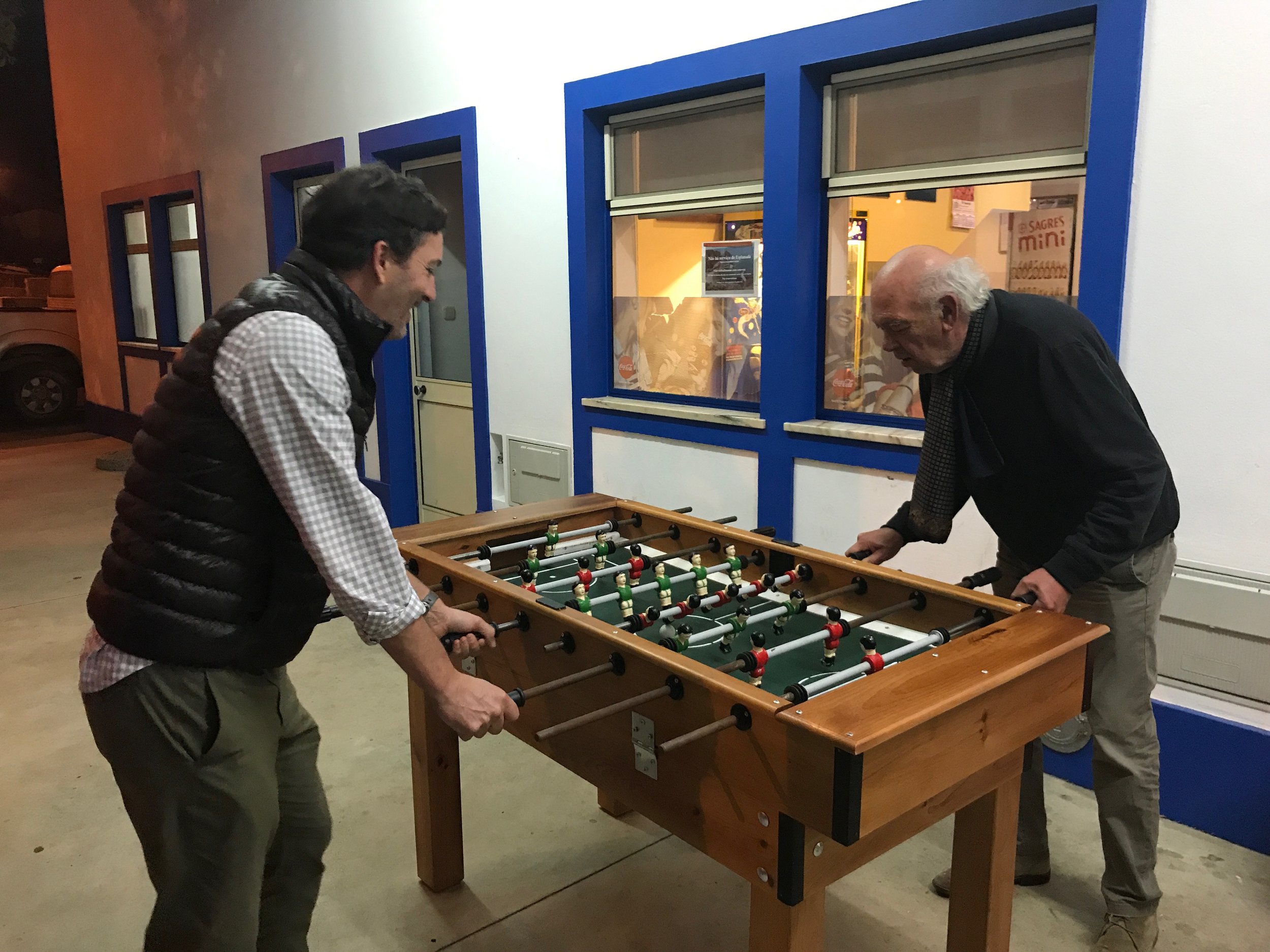
We do a cycling trip about every other year with our group of SF friends & my incredible 80-year old father-in-law, and this time we went to the Alentejo region of Portugal. We hired Bike Tours Portugal to organize our cycling routes and they were fantastic. Our guides Ricardo, Vitor and Alex were so professional, knowledgeable of the region and incredibly friendly. We got to cycle through enormous plains with cork trees, olive groves, and vineyards that extend as far as you can see. We got lucky and colorful wild flowers were everywhere. What a treat!

Days 1 & 2: Évora

We started our bike trip in Évora, the capital of the Alentejo region. It’s a quaint medieval walled city, with cobbled streets lined with whitewashed, traditional buildings. In Évora all streets lead to Giraldo Square, it’s center. This name was given in honor of a local hero, Geraldo Geraldes, the Fearless, who conquered Evora from the Moors in 1167. Sit down for a drink, watch the locals go by and contemplate the beautiful building facades. 

SEE/DO First and foremost, walk all around town. Bones Chapel [a must-see chapel inside the Sao Francisco Church, made entirely of human bones. It is said that when land in Évora became too valuable, some cemeteries were moved and people’s buried cadavers were used to adorn this chapel. It is where monks contemplated the ephemeral nature of life. Some people find it to be macabre, but I found it absolutely incredible] Roman Temple or Temple of Diana [very well preserved temple in Corinthian style believed to be constructed in the beginning of the first century A.D. It’s part of the historic city center] Cartuxa Winery [part of the Eugenio de Almeida Foundation, this winery produces great wines & olive oil. It’s at a beautiful setting & worth a visit]

EAT Botequim da Mouraria [small restaurant with a long counter with only 9 seats. Go with the owners & chefs, Mr. Domingos and his wife, recommendations] Café Alentejo [unpretentious restaurant with hearty dishes] Tasquinha do Oliveira [typical restaurant with only 6 tables. The great quality of the food made by Mr. Oliveira’s wife & the cozy atmosphere makes this a special place] 

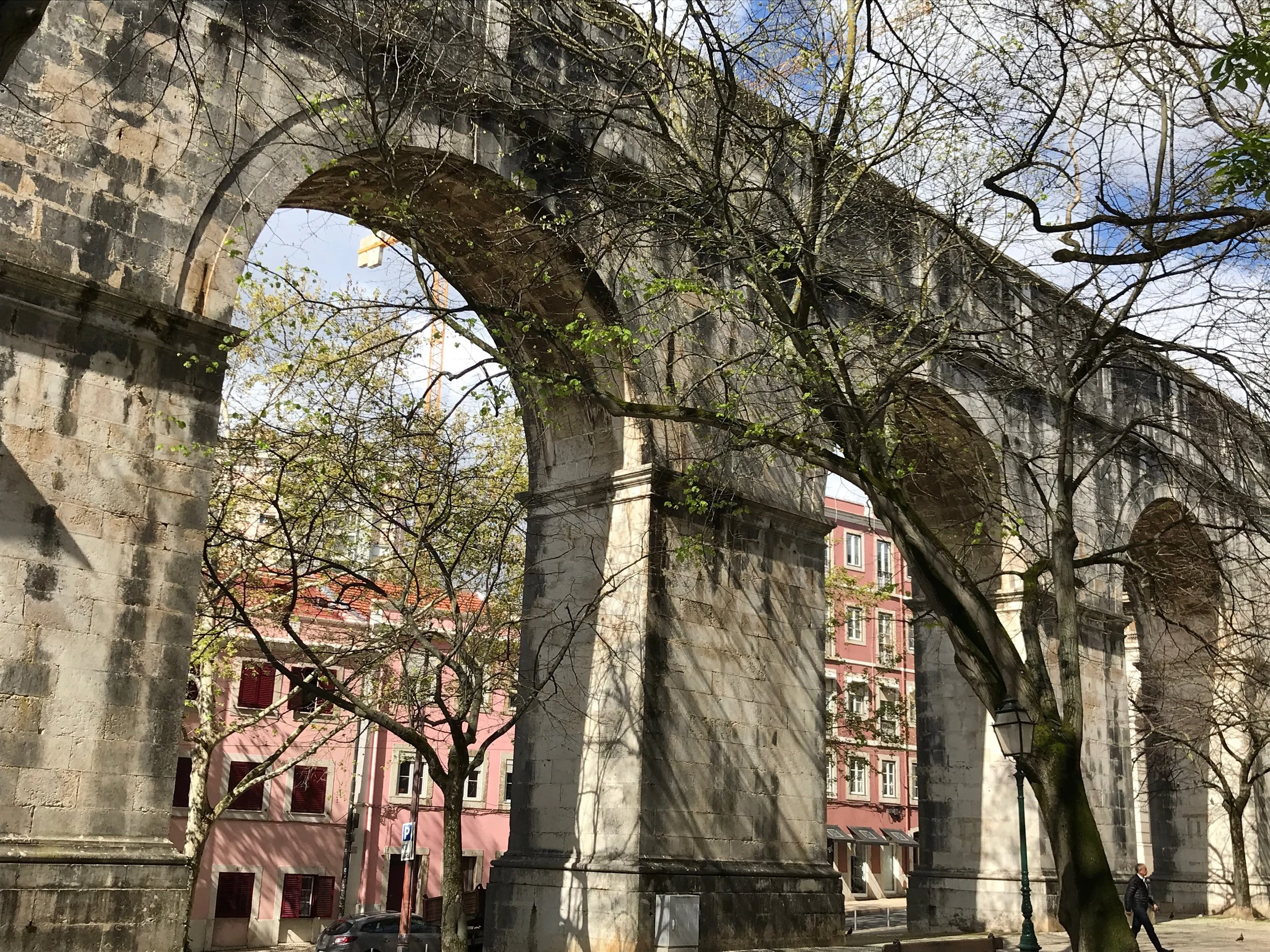
STAY M’Ar de Ar Aqueduto [modern & comfortable hotel walkable to the center of town & main tourist attractions. You will have beautiful views of the Aqueduto da Água da Prata from the hotel]

Days 3 & 4: Monsaraz

Monsaraz is a small hilltop town with a delightful medieval atmosphere. A visit to this picturesque & impeccably well-maintained town is a must.  

We happened to be there when a Bugatti event was taking place, so the town was filled with Bugatti cars & a as part of this special event a Cante Alentejano performed in the castle. It is comprised of men-only singing in chorus very distinctive melodies, with no instrumentation. Very typical of this region. 

SEE Walk around town. It’s very small and can be seen in an hour or two. Castle [it offers panoramic views of the Alqueva Lake – an artificial dam – the Spanish border and the surrounding Alentejo plains]

STAY São Lourenço do Barrocal [an idyllic rural retreat about 10-minute drive from Monsaraz. It is a former farming estate that has been restored in a modern and unpretentious way, appropriately reflecting the authentic character of the place and its natural setting. It’s rural serenity invites you to relax and you will sleep like a baby! We had a lovely & huge one-bedroom cottage with a bedroom, bathroom, living room, full kitchen & outdoor terrace. You can easily spend a week there]

EAT Sabores de Monsaraz [traditional Alentejo cuisine, with beautiful views of the Alqueva lake] Casa Tial[cozy coffee and gourmet shop, serving traditional pastries] Taverna Os Templarios [our friends had dinner there one night and really enjoyed it. Nice setting with great views] São Lourenço do Barrocal [the food was not incredible, but all ingredients fresh with the produce from their vegetable garden. The dining room is quite charming and for convenience sake we ate there both nights and were pretty satisfied] 

Days 5 & 6: Monforte

We did not really spend much time in Monforte – just cycled through it -  and the hotel we stayed at was about a 10-minute drive from town.  Typical whitewashed Alentejo town, but did not seem to be super special.

STAY Torre de Palma [authentic boutique hotel in a restored ancient house that dates back to 1338. Some of the rooms are inside the main house and others in the old horse stables surrounding the main building. Make sure to watch a sunset from the top of the tower in the main building; the view of the surrounding vineyards and olive groves is stunning]

EAT Basilii at Torre de Palma [the food at the hotel’s restaurant was excellent so why go anywhere else?]

Other beautiful hotels to stay at in the area:

Villa Extramuros in Arraiolos [Arraiolos also happens to be a very cute town] L’AND Vineyards in Montemor-o-Novo.

Photo credits: some of the pictures are mine, but others are from my dear friends who joined me on this trip; cycling guides & cycling trip photographer. Thank you all for your contributions.

Portugal Part 1: Lisboa - 2018

My husband is turning 50 this year and we decided to take a mini-sabbatical of 3 months in a country in Europe, and get more of a feel of what it would be like to live elsewhere. We chose Portugal for various reasons: neither of us had ever been there; I speak the language since I was born and raised in Brasil; it has good food, good wine, interesting culture, beautiful beaches, good cycling and so much more. I will share our adventure in parts and the first one is Lisboa where we spent our first month. 

Lisboa

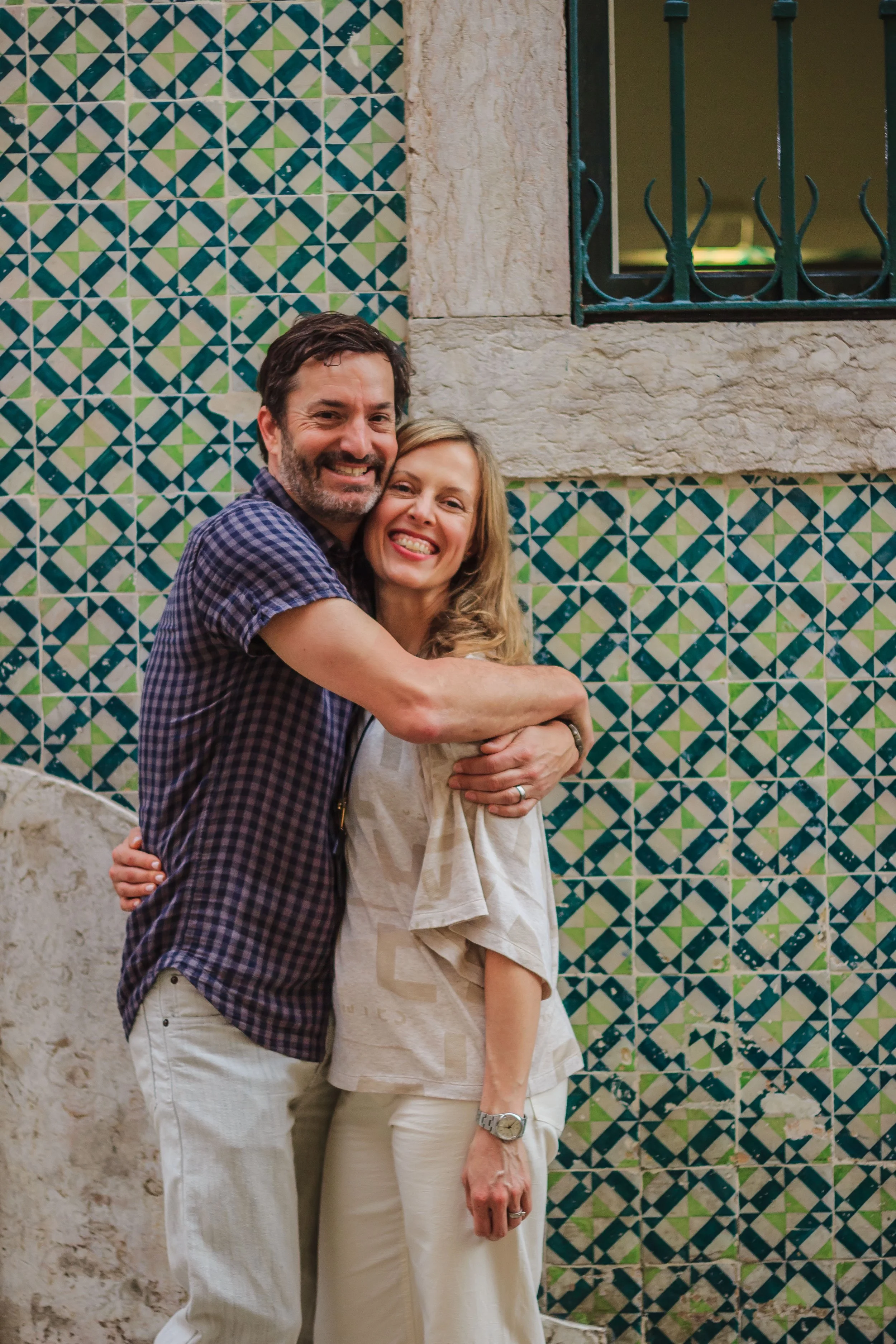
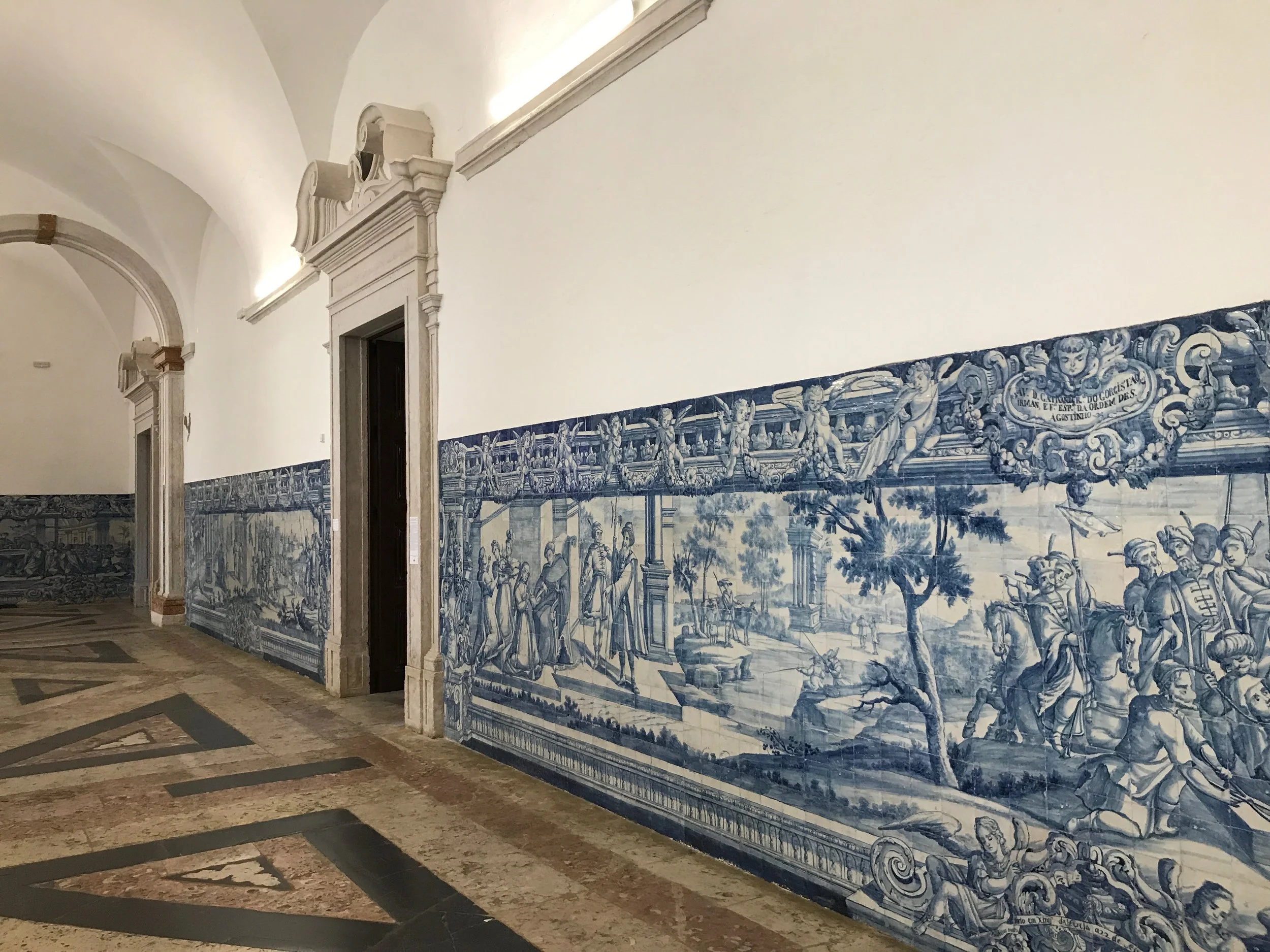
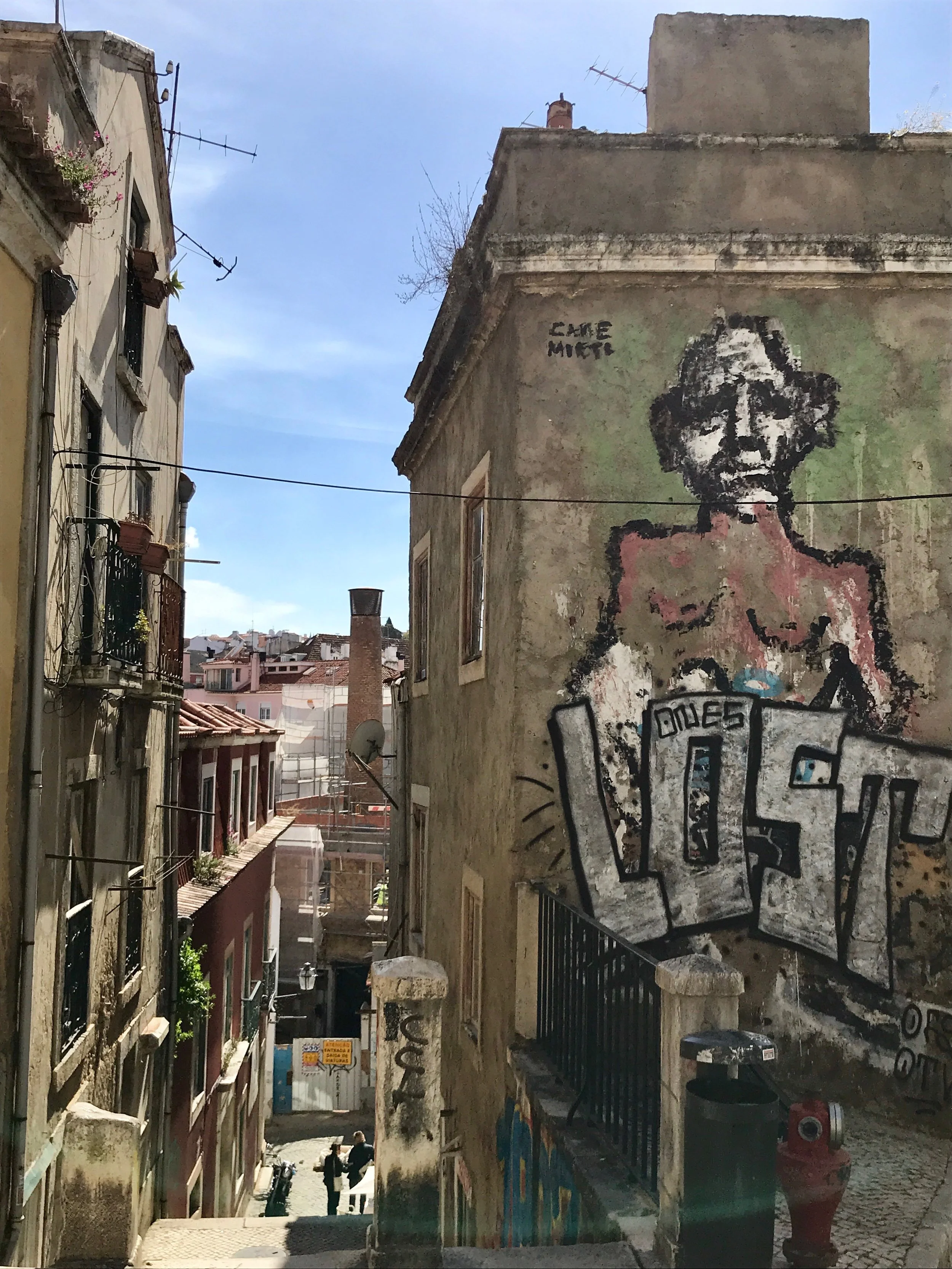
Lisboa is the oldest city in Western Europe, with very narrow mosaic sidewalks, lined up by old buildings and some with incredible tiled facades, Lisbon’s signature look (tiles are azulejos in Portuguese). It is a very picturesque city! Unfortunately most buildings are graffiti tagged like I have never seen in any other city around the world. Portugal had a brutal economic crisis from 2010 until 2014, when it got a bailout from the EU & an imposed economic adjustment programme as part of the deal. Ever since it’s economy has been recovering and that’s obvious everywhere you go. There is at least one building being renovated on every block of Lisbon, new restaurants & shops popping everywhere. Tourism has been a big part of this recovery, but we were shocked by the number of tourists even in April. Apparently in 2012, about 14.5 million tourists visited Portugal. In 2016 that number jumped to 22 million, and it has just been growing ever since. In my opinion, once a cruise ship terminal is built to allow a couple of massive ships to be docked at the same time (which we have seen happen), a City has sold it's soul to this terrible kind of tourism. Streets flooded by thousands of tourists at the same time, who just care to hit the very touristic spots, buy some cheap souvenirs and go back to the boat. We learned fast to avoid the very touristy neighborhoods (Bairro Alto & Baixa, Chiado & Alfama) and stick to the residential neighborhoods (Principe Real, Estrela, Campo de Ourique, Santos, etc). As for the Portuguese people, they won our hearts right away. So kind, generous, friendly and proud of their country, as they should be. Just to give you an idea, it rained a lot the first couple of weeks we spent in Lisbon and we needed an umbrella. We went into a tiny shop that sells a bit of everything, as these are absolutely everywhere around the city. We asked if they sold umbrellas but they only had the really big ones that would be hard to carry around as we continued our travels. We told them so, thanked them and were ready to leave the store, when the owner handed us 2 umbrellas, one each, and told us to just take them for free. We wanted to pay him something but he would not accept it. Amazing! And this was not a unique experience, but the norm. My only critique of the Portuguese is that they smoke, a LOT and they don't pick after their dog's poop :-) But, net, net, we loved "living" in Lisbon for a month!

SOME TIPS:

1.     The best way to get around the city is walking, so you can really experience it, but wear comfortable shoes and be prepared to constantly walk up and down hills or stairways. Be mindful that if it rains, the cobblestone sidewalks get really slippery;

2.     Uber or better Cabify (since I’m not a fan of Uber) are cheap options to get around and the subway is efficient & very clean. The trams are charming but always packed!

3.     Eat the bread! It’s really good in Portugal and worth the extra carbs. Then just walk around for a few hours and you will easily burn it off with all the hills.

4. Check out the Experiences offered by locals at Airbnb. We did a photography tour & an e-bike tour of the 7 hills in Lisbon and they were great. 

Here are some recommendations described by neighborhood:

PRINCIPE REAL

Perched up high with great views, this once sleepy district, is now trendy and full of restaurants. It is anchored by a pleasant square and shady garden. Note the hundred-year-old cedar that looks like a giant umbrella in the middle of the square.  About 6 blocks down the hill there is another leafy square and garden called the Praça das Flores, surrounded by colorful town houses. Our favorite square in all of Lisbon! This is the neighborhood we stayed at and absolutely loved it.

DRINK Quiosque Príncipe Real [run by the charming Sr. Oliveira, this is a cult kiosk in the Principe Real park you will find locals hanging out at all hours of the day; great spot for a late afternoon beer. There’s usually live music late afternoons] Pavilhão Chinês [more of a treasure bazaar, than a bar, The Chinese Pavilion has thousands of pieces on display from art, to airplanes, miniature dolls, medals, military artifacts, etc. It’s trip!! We saw a traditional Fado concert there that takes place on Tuesdays] Gin Lovers & Less [Gin and nothing but gin. Great cocktails in a very cool space inside the Embaixada, shopping gallery] The Bar [owned & run by a charming Australian woman - Teresa, this small bar is a good place to have a drink & a conversation with her]

EAT O Prego da Peixaria [serves up “prego” sandwiches, which is the Portuguese equivalent of a burger, but instead of meat patty, Peixaria stuffs their sandwiches with fresh fish, shrimp, and squid] Pesca [serves very creative and refined seafood dishes. We did the chef’s menu and were impressed] A Cevicheria [ceviche with Portuguese flair – so, so delicious. Went there a few times. But be prepared, the place is small and the waits are long – no reservations] Copenhagen Coffee Lab[hipster coffee shop] Zero Zero[very good pizzeria] Bettina & Niccolo Corallo Chocolate Shop [out of this world chocolates, brownies, mocha, chocolate sorbet, all made by a mother & 2 sons. One of the best chocolates I have ever had, and I’m a chocoholic!]

SHOP Embaixada [a shopping gallery housed inside an Arabian Palace that hosts a series of national brands and artists focused on Portuguese design] Pau Brasil [beautifully curated space for Brazilian art, fashion & furniture; great space]

STAY We rented an airbnb for the month, but here are some hotel recommendations Casa Oliver Boutique B&B; Memo Principe Real - Design Hotel

BAIXA/CHIADO/BAIRRO ALTO

Downtown Lisbon is an 18th-century district that has been completely rebuilt after the 1755 earthquake & tsunami that had destroyed most of it. In the 20th century most of the buildings were taken over by banks and offices, deserting the area of residents. Many of these buildings were eventually left abandoned, but the neighborhood is now being reborn as a commercial and tourist area. And it is verytouristy!

SHOP A Vida Portuguesa [well-curated collection of Portuguese products] Feeting Room [sells clothing, shoes and accessories from Portuguese designers. Beautiful store] Conserveira de Lisboa [great store for sardines and other seafood in colorful tins. The packaging is incredible]

EAT Taberna da Rua da Flores [narrow & traditional room with artisanal products lining the walls, serving traditional tapas; get there early because the line is long but worthwhile! Very charming.] Bairro do Avillez [gastronomic space from renowned chef José Avillez, where you can find Mercearia which is a deli, a Peruvian Cantina & Pisco Bar, Páteo which is a courtyard space that serves seafood, Beco a cabaret-like restaurant behind a secret door and finally Taberna that serves traditional Portuguese food. It’s a beautiful space!] Cantinho do Avillez [everyone raved about this place but we were not impressed. Just mention it because it’s on everyone’s top list for Lisbon!] Landeau Chocolate [incredible chocolate cake that cannot be missed. They also have a store at LX Factory] Oficina do Duque [loved the space and the food was delicious – contemporary take on Portuguese cuisine]

DRINK By the Wine [great wine bar that serves tapas]

ALFAMA/GRAÇA 

Alfama-18thcentury Moorish district and one of the oldest neighborhoods in Lisbon. It’s name comes from the Arab term "Al-hama" meaning 'source of hot water, good water’. It provides a step back in time with its narrow streets and stairways, tiny squares, historic churches, intimate cafes and residences hidden behind the clothes drying on a clothesline; Graça– just above Alfama, this neighborhood is one of my favorites in the City. Very residential, relaxed; it has a small-town feel to it. 

SEE/DO First and foremost, walk around and get lost on the narrow, winding streets! Castelo de São Jorge [just to clarify, these are the ruins of a castle that offers amazing views of Lisbon. Get there early, right when they open, otherwise the lines are crazy!]Tram 28[the iconic yellow tram that is the centerpiece of Lisbon. It takes you across town from Alfama to Campo de Ourique. Great way to see the city, however it’s always pretty full and watch out for pickpockets] 

VIEWPOINTS Miradouro da Graça [one of the best lookout points in the city. From here, you can see much of the old Lisbon, the castle, the pantheon, and the Alfama district] Miradouro da Senhora do Monte[higher up the hill from Graça, offers views of the Castle and views over the streets sloping down to the Tejo] Miradouro das Portas do Sol[it overlooks the domes and rooftops of Alfama district and the waterfront; great postcard view] Miradouro de Santo Estevão [still not very popular, this viewpoint is a quiet spot for a break after exploring the narrow streets of Alfama] Miradouro do Recolhimento[not very well known lookout point since it’s relatively new; not far from the castle, and in the shade of olive trees you have a beautiful view of Alfama] Miradouro de Santa Luzia[you can look over the terracota rooftops of Alfama and the river from this incredibly charming terrace, always filled with tourists snapping photos]

EAT Leopold [very small restaurant, with one seating a night and one tasting menu. The food is incredible, very creative & unexpected mix of ingredients, with the proteins all cooked with a sous-vide] Cozinha Urbana [hidden restaurant in a small hotel just down the street from Miradouro da Senhora do Monte. Sit out back in the charming courtyard and order the Takoyaki burger with tuna flakes, seaweed and Japanese mayo. It is a must!] Taberna Moderna [very nice space with a contemporary take on traditional dishes] Taberna Sal Grosso [very small space with the menu of the day on a blackboard. Order anything and it will be delicious]

DRINK Memmo Alfama Hotel [a bit hidden away from the touristic areas of Alfama. It has a great terrace for drinks with views of the neighborhood & river] Graça do Vinho [super charming wine bar]

STAY Mi Casa en Lisboa [very charming B&B] Santa Clara 1728 [minimalist & modern design in an 18thcentury building; pricey though!] Memmo Alfama Hotel [modern design hotel, also in an 18thcentury building]

CAIS DO SODRÉ

EAT Mercado da Ribeira – Time Out Market[most iconic shops or well-known chefs have an outpost at this market. It is bustling during lunch hour! Don’t miss the pastéis de nata at Manteigaria. These are the very famous custard tarts and they are indeed delicious. I recommend adding cinnamon on top]

DRINK A Tabacaria [this little bar used to be an old tobacco shop & serves great cocktails] O Bom, O Mau e o Vilão[translated as "The Good The Bad And The Ugly" this a bar has a quirky décor and feels as if you've stepped into a friend's fashionable drawing room] 

SANTOS/ALCÂNTARA/SÃO BENTO 

Santos is known for its design shops & Alcântara has several old warehouses converted into restaurants, especially by a marina under the 25 de Abril Bridge called the Santo Amaro docks. São Bento is a very interesting neighborhood full of antique shops, coffee shops & restaurants, just down the hill from Principe Real.

SEE LX Factory[located in a former 19th-century textile mill, LXFactory is now a creative hub for fashion, arts & gastronomy]

EAT Bowls & Bar [café that serves some healthy options for breakfast or lunch] FOOD[small organic grocery store; here you can find alternative yogurts & milks to the regular dairy products that are everywhere else] Mercearia Poço Negro [gourmet deli store run by a lovely couple; great cheeses, salumi, wine, etc] The Mill [Australian-Portuguese café with great coffee & breakfast] Hello Kristof [another very cool coffee shop] Café Boa Vida [good place for a healthy breakfast or lunch; also serves good coffee]

BELÉM 

Is known as the historic district of the Age of Discovery. It was from its waterfront that Vasco da Gama and other explorers departed for their voyages and those events are celebrated with grand monuments and museums throughout the neighborhood. It is however extremely touristy and that is honestly a bit of a turn-off for me. 

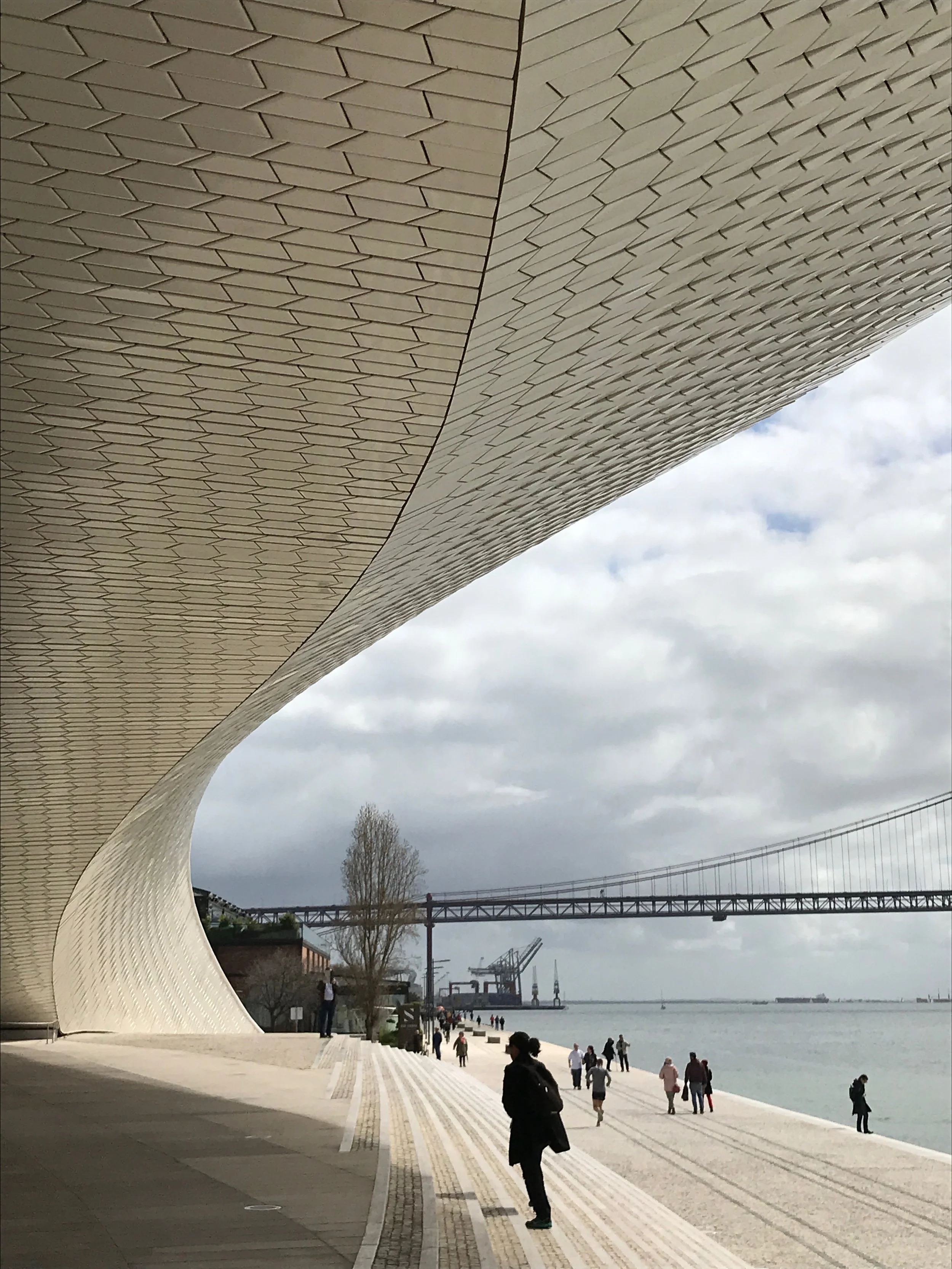
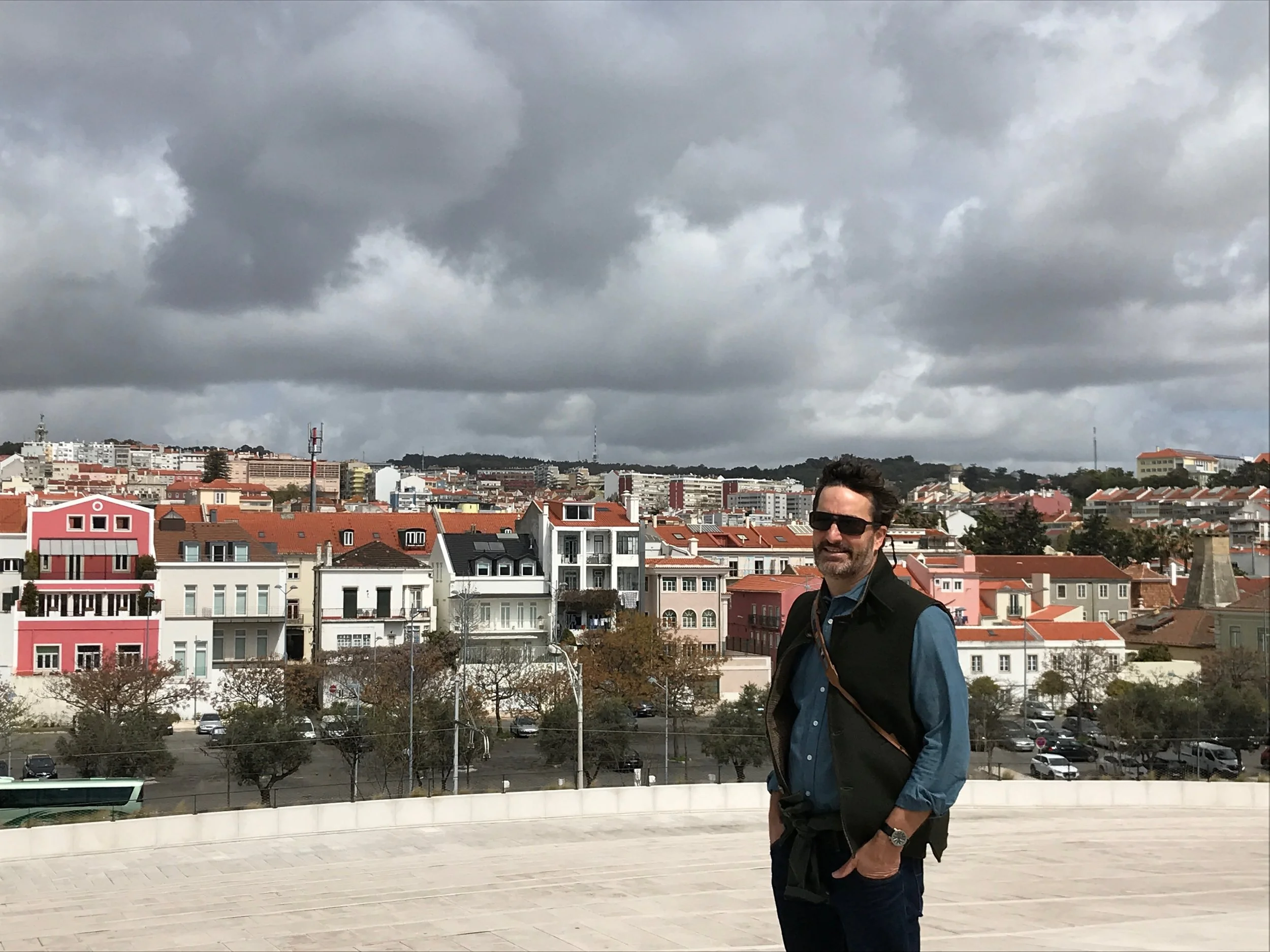
TO DO MAAT  - Museum for Art, Architecture and Technology[located on the riverfront with a curved, wave-like building, offering great views of Lisbon & the Tagus River from the rooftop. Integrated to MAAT is the Electricity Museum in an industrial brick building next door that used to be a Power Plant until 1951. Beautifully curated so to give you an idea of what it was like inside a power plant that provided most of Lisbon’s electricity. Definitely worth a visit!] Monastery dos Jerônimos[a visit to this monastery is on everyone’s list of recommendations for Lisbon. We did try to visit it but the lines were insane, so we gave up. What we learned is that you should go around 4pm, right before they close, when the crowds have wounded down]

CAMPO DO OURIQUE/ESTRELA/AMOREIRAS 

Very pleasant & residential neighborhood, holding on to traditional shopping and its old market. 

EAT Bota Sal [a tasca near Jardim da Estrela serving great seafood] Mercado de Campo de Ourique [bustling marketplace where artisanal food vendors share space with informal bars & restaurants] Tasca da Esquina [simple, café-style restaurant with Portuguese tapas with a twist] Casa dos Passarinhos [if you want to experience a very traditional tasca (tavern-like kitchen selling simple, traditional food and for legions of lisboetas it’s a second home), this is the place to go] Aloma [traditional pastry shop with really good pastéis de nata] Imperial de Campo de Ourique [very traditional & family run tasca; eat the dishes of the day and you will not regret] Peixaria da Esquina [abundance of seafood options]

TO DO  Food Tour [with Culinary Backstreets. We did the “Lisbon Awakens: A Culinary Crossroads, Reborn”and it was fantastic. It is a day-long tour off the beaten track. Be prepared to eat a LOT. You will tastediverse bites of Lisbon’s gastronomy such as egg pastries, goat meat stew, sardines, bacalhau which is a salted cod,vindalho (a meat dish that’s the Portuguese ancestor of Goan vindaloo),beef prego on bolo do caco (beef sandwich on a traditional bread from Madeira island) as well as signature Portuguese cheeses and wines. And last but not least, a shot of ginjinha, a smooth sour-cherry liqueur that is a traditional local eye-opener. By the end of it, we wanted to take our guide, Martim, home. We love him so much!] Parque da Estrela [very nice park & good spot for a picnic or a coffee at its kiosk]

STAY Casa Amora [another charming B&B]

 FADO

When I read this description of fado it clearly described how I used to feel about it: “I don't think Fado is love at first sound. It also is not for everyone. When I first heard it, I thought all the songs sounded the same and I just didn't understand why it was so popular.” Then I saw Mariza’s concert in Berkeley and was hooked. She is an incredible Fado singer, the Amália Rodrigues of this century. Fado is pure exposure of emotions to the sound of a guitar. The songs are about nostalgic and melancholic feelings, about love amid pain, but also about the celebration of life. Even if you don’t understand the lyrics, you can sense all these emotions in the singer's voice and face (usually with the eyes closed and head tilted back). It’s pretty dramatic!

STREET MURALS

I have street murals as it’s own category since I’m a big fan! Two big names in Portuguese contemporary art are:

Bordalo II is known for using trash to create 3D art. He’s created a series of animals who face extinction using plastic trash bins, car tires, computers, printers and other machines, in an effort to demonstrate how trash is contributing to the loss of their natural habitats. We were lucky enough to go to his studio and meet him in-person (thanks Lloyd Sacks!) and were very impressed by his talent & generosity.

Alexandre Farto (aka “Vhils”)sculpts expressive faces on the walls of dilapidated buildings. 

Graça

Woman holding a gun with a flower in the barrel, by Shepard Fairey, represents the Portuguese revolution in order to rid the country from their dictator, Salazar, in 1974 (Rua Natália Correia)

Female face- Shepard Fairey painted half of a female face, while the Portuguese artist Vhils carved the other half (Rua Senhora da Glória)

Alfama

The Amália Rodrigues Pavement, by Vhils, this time using the traditional Portuguese cobblestone pavement, as a tribute to the most famous Fado singer, Amália Rodrigues (Rua de São Tomé, by Calçada do Menino de Deus)

Avenidas Novas

Three empty buildingsin one of the city’s busiest avenues, by several international artists:  the Brazilians Os Gémeos, the Italians Blu and Eric Il Cane, and the Spaniard SAM3 (Avenida Fontes Pereira de Melo, by the Picoas metro station)

Bear + cub, by Bordalo II at the garden of the Museu Calouste Gulbenkian [houses the impressive private collection of a very wealthy British oil magnate. His collection is split into modern Portuguese art & ancient art from Egypt, to China, Persia, India, France. It's quite astounding!]

Alcântara

American street artist Brad Downey, by Vhils (Rua de Cascais, not far from LX Factory & Santo Amaro docks)

Gigantic Bee, by Bordalo II (LX Factory)

Santos

Another Face– by Vhils at the courtyard where the vegetarian restaurant Água da Bica is located (Rua das Gaivotas, 8)

Cais do Sodré

Fox– by Bordalo II on an abandoned building only a few blocks from the Time Out Market (Av. 24 de Julho x Rua do Instituto Industrial)

Xabregas

Monkey– on the wall of Bordalo’s studio, my favorite! (Rua de Xabregas 74)

Frog– just down the street from Bordalo’s studio

DAY TRIPS

SINTRA

Located about 45 minutes from Lisbon on the train, it is quite beautiful but be prepared to be in the midst of a LOT of tourists. We drove there with a guide and it took about 30 minutes. The earlier in the day you can go, the better to avoid the crowds. 

Here are the main attractions that you can shuttle to, from downtown Sintra, or hike to along the steep trails within the forest. I recommend the hike!

Palácio da Pena [colorful hilltop castle visible from almost anywhere in Sintra. Definitely the most popular attraction and always very crowded. We did not go visit it, but if you do, just walk the castle grounds and don’t stand in line to go inside. From what I learned, the inside of the castle is not worth the wait] Castelo dos Mouros [ruins of a medieval hilltop castle built in the 10thcentury by the Muslim populations that occupied the Iberian Peninsula. It offers incredible views of the area. This was STOP 1] Parque e Palacio de Monserrate [Extraordinary villa with wonderful gardens. We did not get to visit it, but was high on our list. This could be STOP 2] Quinta da Regaleira [Unique palace adorned with symbolic carvings associated with Masonry and the Knights Templar, in landscaped grounds with lakes, grottos and tunnels. There are two mysterious wells that resemble inverted subterranean towers that apparently were used for ceremonial purposes, as well as initiation rites for practitioners of Tarot or Masons. This was my favorite place and STOP 3]

We did drive to Cabo da Roca as well, the western most point in continental Europe. If it’s a clear day it offers great views. You can also hike to Cabo da Roca from surrounding beach towns. Our final stop was Caiscais, and it was a bit disappointing. It’s an upscale town with interesting architecture at a beautiful coast, but it unfortunately has been taken over by tourism overshadowing its charm. And this was April, so I cannot imagine what it looks like in the summer!

SESIMBRA

If you are not going to any beach towns in Portugal, and want to go to a beach while in Lisbon, Sesimbra is a good option for a day-trip. Take bus 207 from Praça da Espanha. It’s available every hour and takes about 55 minutes to get to Sesimbra. Go for lunch at Restaurante Filipe, not far from the fort facing the ocean. Select the fresh fish of your preference and they will put it on a BBQ grill. So simple & absolutely delicious.

CURIOSITIES

Portuguese queen Catarina de Bragança married the English king Charles II, and she introduced tea to the English. Portugal had a colony in China, Macau, from where they brought tea leaves, but the word tea did not exist in the English language. It derives from the name of the company that distributed the leaves – Transporte de Ervas Aromáticas.

It is also said that King Charles II was very unfaithful to Queen Catarina with other women in Court, so she instilled tea time in the afternoon, and all the women in Court would were invited. When one did not show up, Catarina knew she was with the King. And this is how afternoon tea time became a ritual for the English! 

Hudson Valley - 2017

My husband and I went on an art tour of the Hudson Valley and were quite impressed with what we saw.

STOP 1: MASS MoCA

A vast multibuilding factory complex converted into a museum of contemporary art, located in North Adams, Massachusetts. Exploring the raw industrial character of these brick buildings with wood floors and big windows is in itself an attraction. I fell in love with the buildings! The art collection focuses on very large-scale contemporary installations. Some of it a little too out there for my taste, but overall really worth a visit.

While not in New York State, MASS MoCA is really close to the border so included it as part of our Hudson Valley tour. Very close to North Adams is Williamstown home to Williams College. We stopped to walk around the college campus and were quite impressed by its beauty. You will not need more than 1-hr to explore it.

STOP 2: Hudson

We spent a couple of nights in the town of Hudson – a good base to explore the area. Hudson’s current renaissance started in the ’80s when antiques dealers and artists rediscovered the area. There are now dozens of antiques or furniture stores and galleries along its main drag - Warren Street.  The town retains a small town feel even though it looks more and more like a Brooklyn suburb.

STAY Wm. Farmer and Sons [a very cozy & charming small hotel] Rivertown Lodge [once a movie theater and now a trendy minimalist hotel]

EAT Wm. Farmer and Sons [rustic-chic restaurant with great craft cocktails. It has an amazing vibe and the food was quite good] Fish and Game [tavern-like vibe, housed in a former blacksmith shop. While we did not eat here, the menu looked quite good but beware that the prices are quite high. We did however have a drink at their bar and it had a very cozy and warm atmosphere] Tavern [hidden behind the Rivertown hotel’s lobby; a good spot for a drink and a bite to eat]

DRINK Red Dot [lush & charming garden in the back and a nice spot for a drink. The food though was not good at all] Backbar [great outdoor patio for a drink] Moto Coffee Machine [for coffee!]

TO DO Warren Street [walk the entire stretch of downtown’s main drag – easily 20 blocks long - it is packed with quirky vintage shops, antique & home design stores, and some great historic buildings] OMI International Arts Center [a 20-minute drive from Hudson is sixty acres of rolling farmland, wetlands and wooded areas, filled with large-scale contemporary sculptures. Wear comfortable shoes to explore the area]

STOP 3: Dia: Beacon

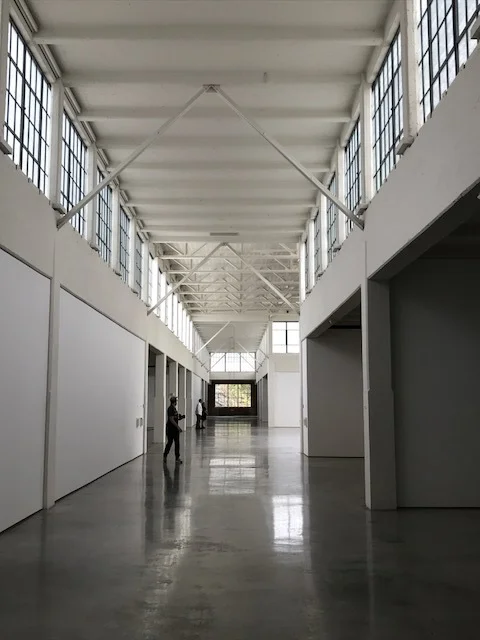
Occupying a former Nabisco box printing factory in the town of Beacon, Dia:Beacon is an avant-garde museum with a collection of art primarily from the 1960s, 1970s and 1980s. The building is beautiful with very large skylights illuminating broad spans of open areas showcasing contemporary art, which is a perfect medium for that space.

Art is very much based on personal preferences and even what is considered art can be very subjective. Some of the art at Dia is very minimalist and at times made me wonder if “is that even art”? But when placed into the context of the time it was created, that artists were renouncing convention and trying industrial materials & geometric forms, it’s easier to appreciate pieces that would not have an immediate appeal.

We spent the night in the town of Beacon. While not super impressed by the town itself, we really enjoyed our hotel.

STAY & EAT The Roundhouse [boutique hotel housed in a former textile factory overlooking a beautiful waterfall]

STOP 4: Storm King Art Center

A sculpture park in 500 acres of fields, hills and woodlands.  You will see more than 100 sculptures, some very large scale by Mark Di Suvero, David Smith, Andy Goldsworthy and Alexander Calder to name my favorite artists. This place is a MUST-see. Wear comfortable shoes because quite a bit of walking is required. You can also rent a bicycle and that will allow for a faster way to cover so much ground.

Yellowstone + Jackson + Grand Tetons - 2017

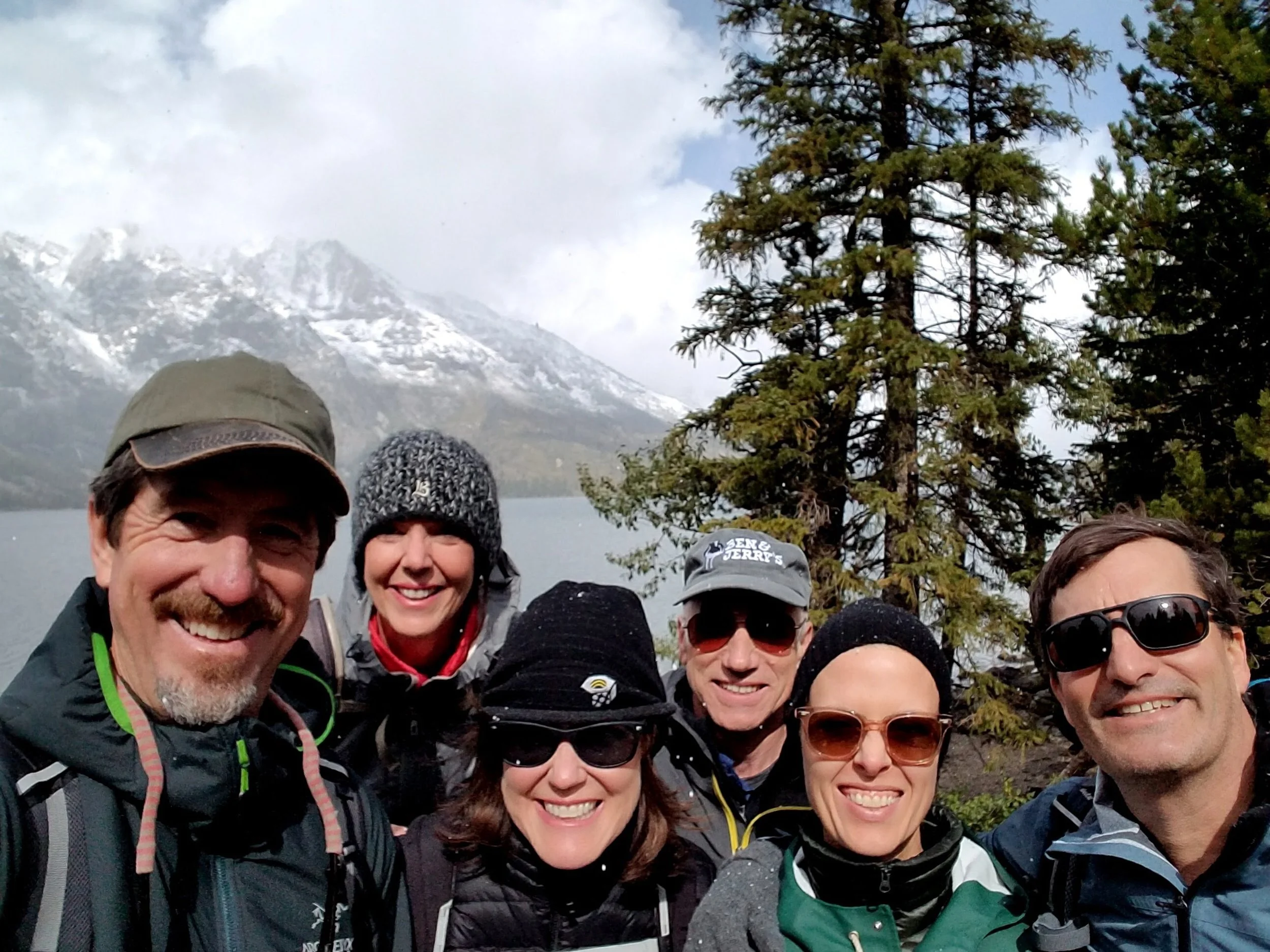
We were invited by dear friends to join them for a week-stay at a ranch in the Elk Preserve right outside Jackson. Michael and I went a few days earlier to visit Yellowstone before heading to Jackson. Here is a bit of what we loved.

Yellowstone

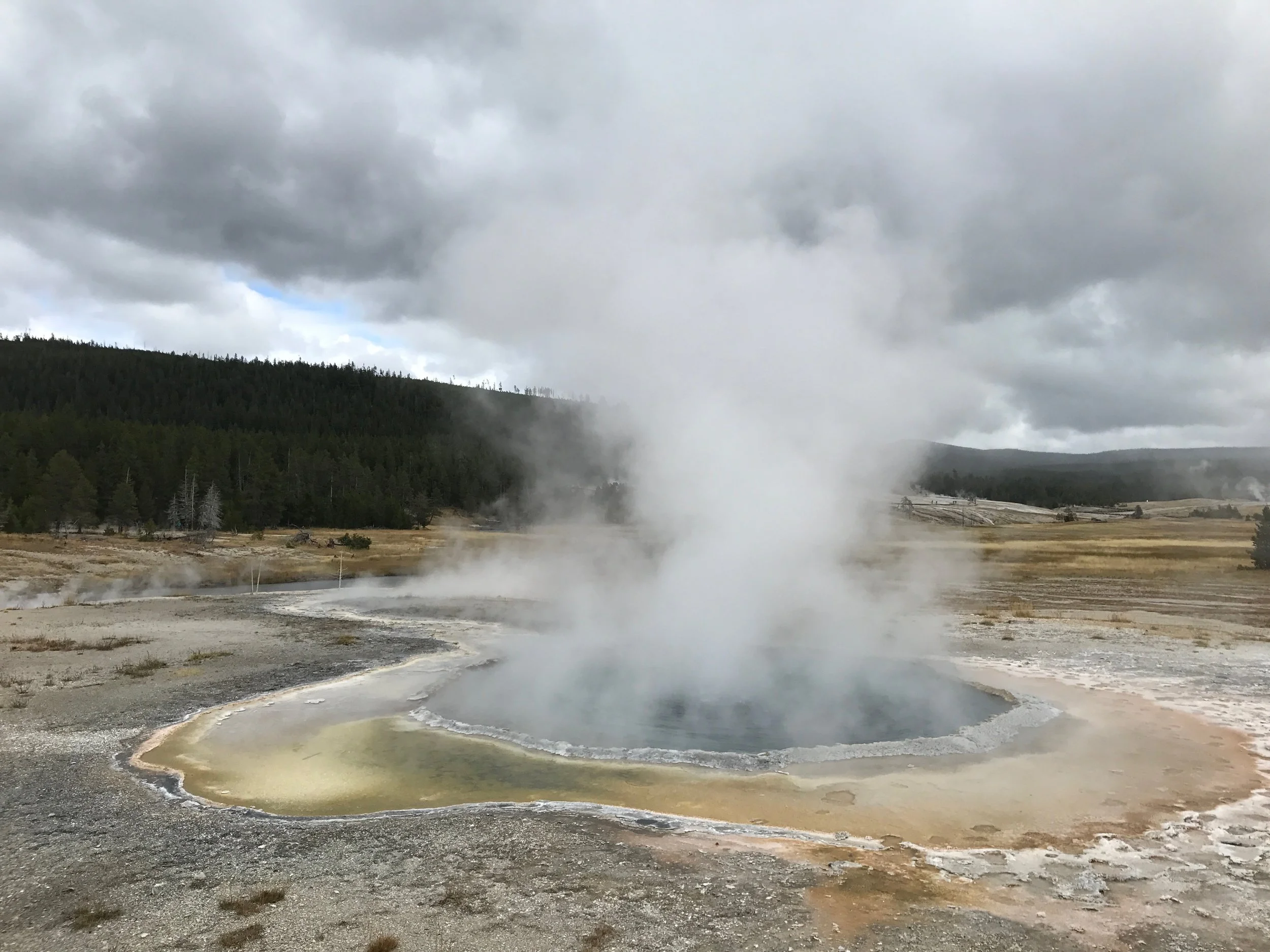
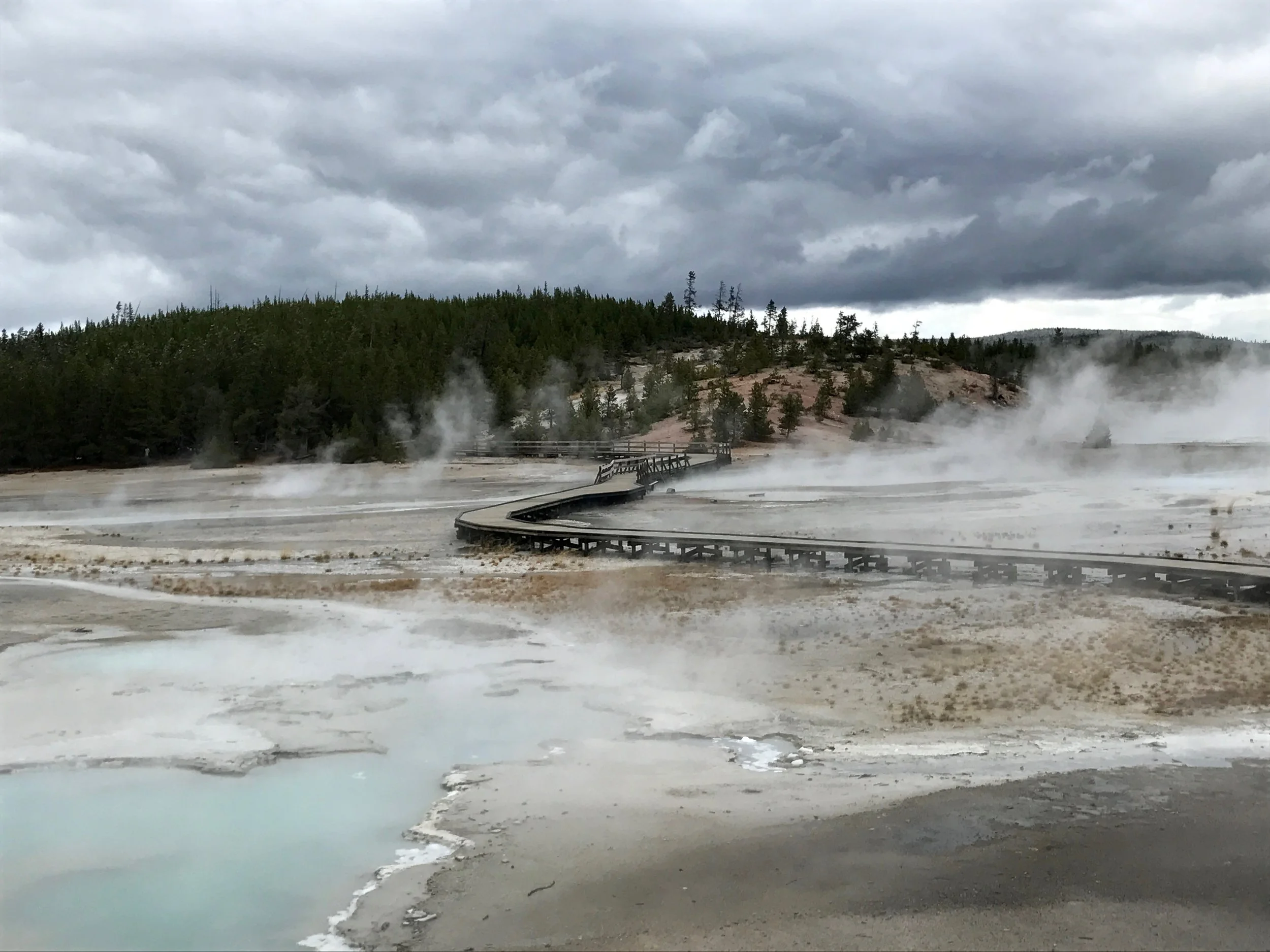
The world’s first national park created in 1892, it’s unlike any other national park in the US. What is so attractive about Yellowstone is not its topography, but its surreal scenery of geothermal features - smoke coming out of alpine rivers or meadows, gushing geysers, pungent odors and colorful hot springs - and of course herds of bison or elk meandering the park.

STAY Bar N Ranch [if you cannot stay inside the park, this is the best option in West Yellowstone. Rustic, but comfortable, with a pretty decent restaurant on site]

TO DO

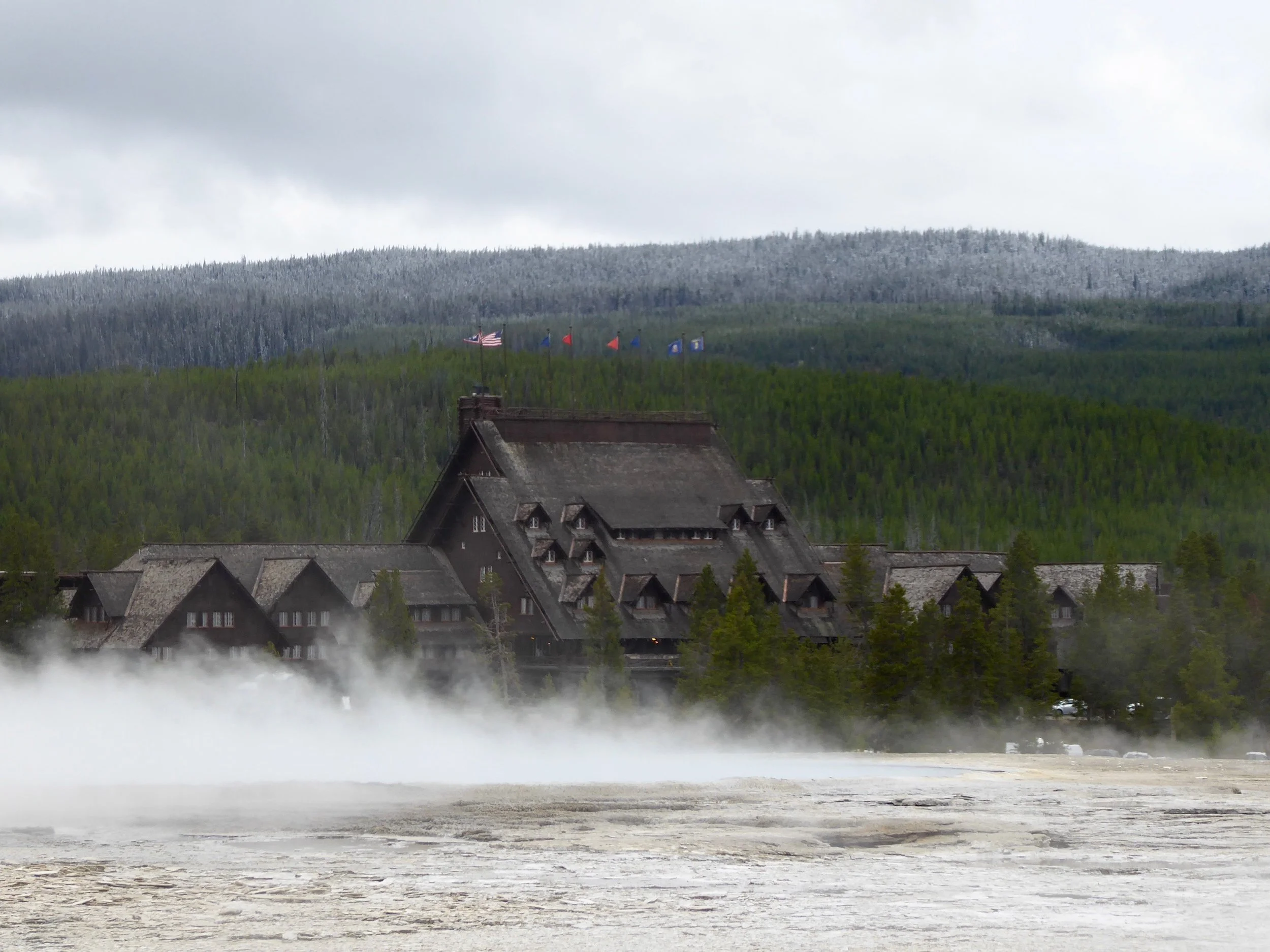
Drive the main loop in the park from Madison – Old Faithful – Grant Village – Lake Village – Canyon Village – Norris – back to Madison. Stops along the way that are a MUST: Firehole Lake Drive [very short loop off the main road worth taking] Midway Geyser Basin [walk along the boardwalks, and for a view of the area from above, go to the Fairy Falls trail, and to the left there will be a short hike up to an overlook that affords the most incredible views of the Grand Prismatic Spring] Old Faithful [visit the historic hotel & walk the boardwalks out back to see small geysers and pools] Norris Geyser Basin [my favorite site and make sure to walk around Porcelain Basin]

There is a lot more to be seen to the north of the park, but we did not have time to visit that section. 

Jackson + Grand Tetons

STAY We spent one night at Anvil Hotel before joining our friend’s at the ranch [a 1950s motel converted into a hip spot right downtown; the lobby of the hotel doubles up as a general store, and the check-in counter as an espresso bar]

EAT Glorietta [very lively Italian restaurant with great craft cocktails] Snake River Grill [a classic Jackson restaurant for dinner; reservations needed and the steak tartar pizza is a must] Teton Thai [really good Thai food! I know, you would not expect it at a mountain town in Wyoming] Persephone [a super charming bakery with a delicious breakfast and lunch menu; don’t miss the cookies :-)] Dornan’s [by the Grand Tetons entrance, this is a great stop for a drink after a hike]

TO DO

Hiking: Jenny Lake Loop, Hidden Falls & Inspiration Point [moderate difficulty, a popular but beautiful hike; I recommend walking the whole circumference of the lake with a little extra detour to see the Hidden Falls and Inspiration Point. You could take a ferry across the lake, to make the hike a bit shorter, but you would be missing out quite a bit of magic] Snow King Mountain [right in town this steep & demanding 1.8 mile switch-backing trail has a well worth-it vista of the valley from the summit; and a great short workout!]

Hikes we did not do due to weather but are highly recommended: Amphitheater Lake [a strenuous hike with about 3,000 feet of elevation on the five-mile trek up, but the views from Amphitheater Lake are beyond description and make the uphill effort completely worthwhile] Death Canyon [offers some of the park's most beautiful scenery, including mountain lakes, canyons filled with pine trees, wildflowers and wildlife. We did part of this hike until we made the wrong turn and found ourselves going on a different direction. Note that the Death Canyon trailhead is also called Whitegrass trailhead. It is awell-maintained trail that snakes up a hill to the spectacular Phelps Lake and then continues straight to ascend into Death Canyon. You can continue climbing if you wish until you reach the Alaska Basin trail, then continue climbing some more to the 10,790- foot Static Peak Divide. There will be breathtaking views from there but this is a challenging 16.3-mile hike. However the first 1.2 miles to Phelps Lake Overlook is easy and it's a good turnaround point if you are not feeling up to a big hike]

Fly Fishing [this was my first time fly fishing. While I don’t feel a need to do it again, I am so glad to have tried it once. I did manage to catch a very small trout, but hey, I was proud of myself J. We used the JD High Country Outfitters to take us fishing on the Snake River, and they were great]